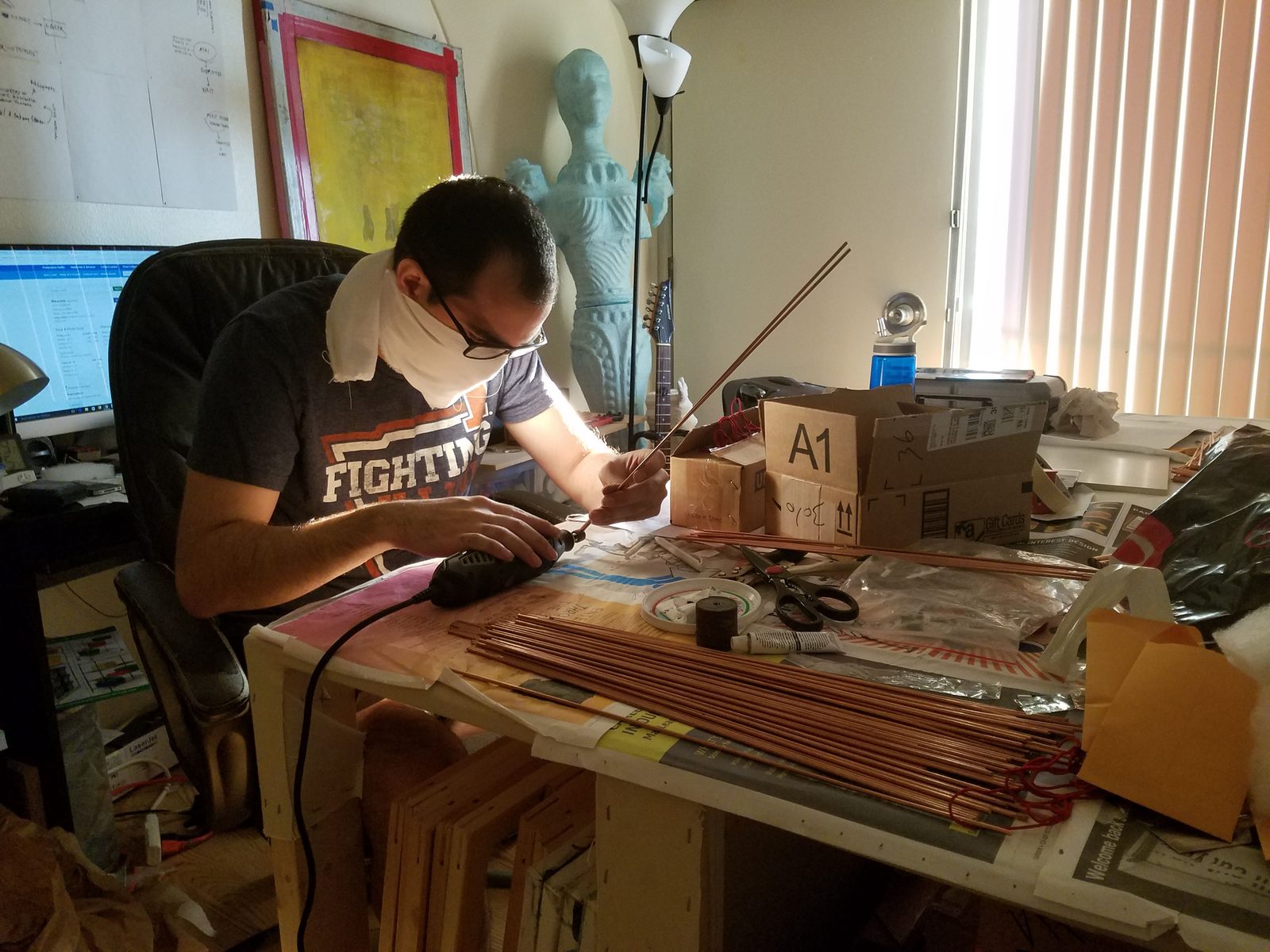
I build the product. Then I run the business around it.
Architect by training. Since 2016 I've built consumer products and run them across Amazon, eBay, Etsy, Shopify and WooCommerce — sourcing and specs through listings, ads, forecasting and returns.
How it runs — open any box
Underneath every step — the numbers that decide the next round
Free tools
01Design & Production
Sketch it, dimension it, get a sample back, find what's wrong, do it again.
I design what I sell — drawing the part, writing the tolerances, finding the vendor who can hold them, and rejecting the first sample.
- Dimensional specs & tolerances
- Vendor sourcing
- Domestic metal fabrication
- Overseas packaging
- Sample review
- Packaging engineering
- Photography direction
- Illustrator & Photoshop
Codex Iplex
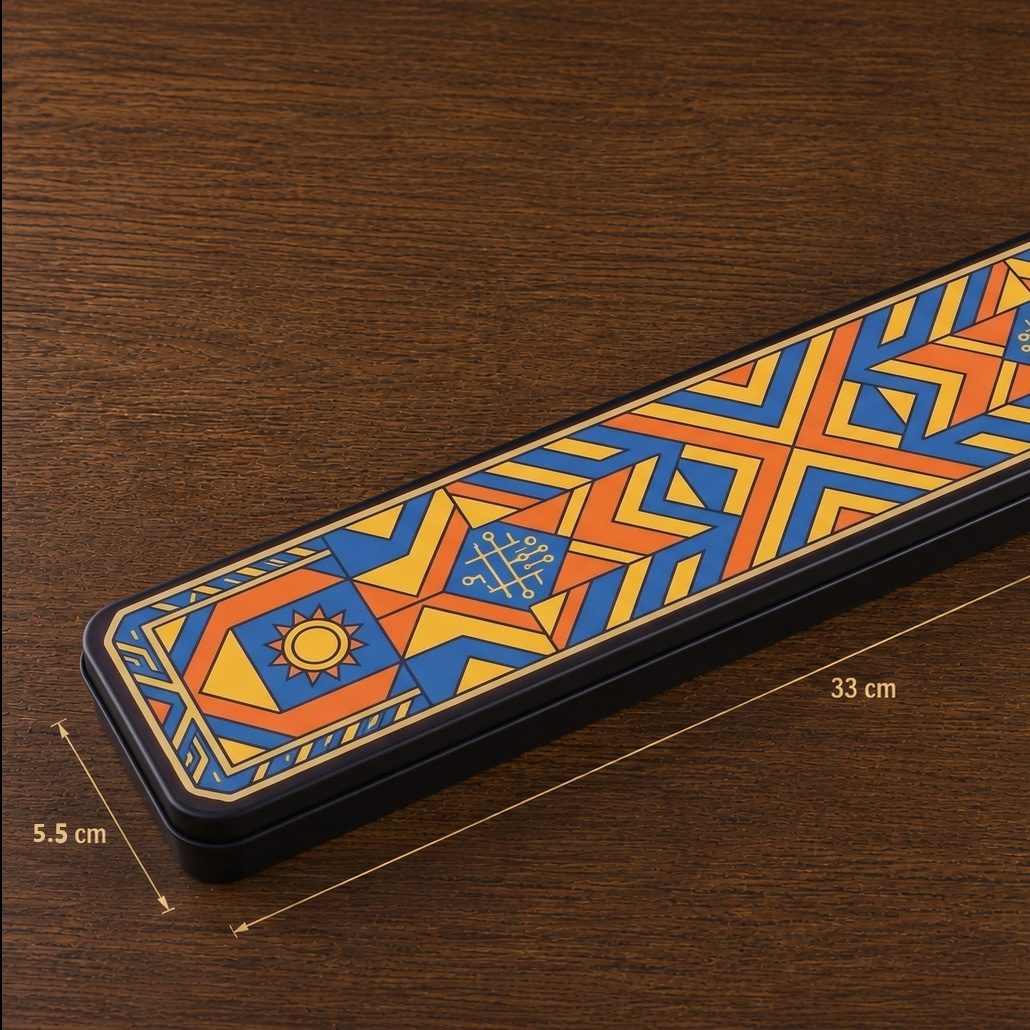
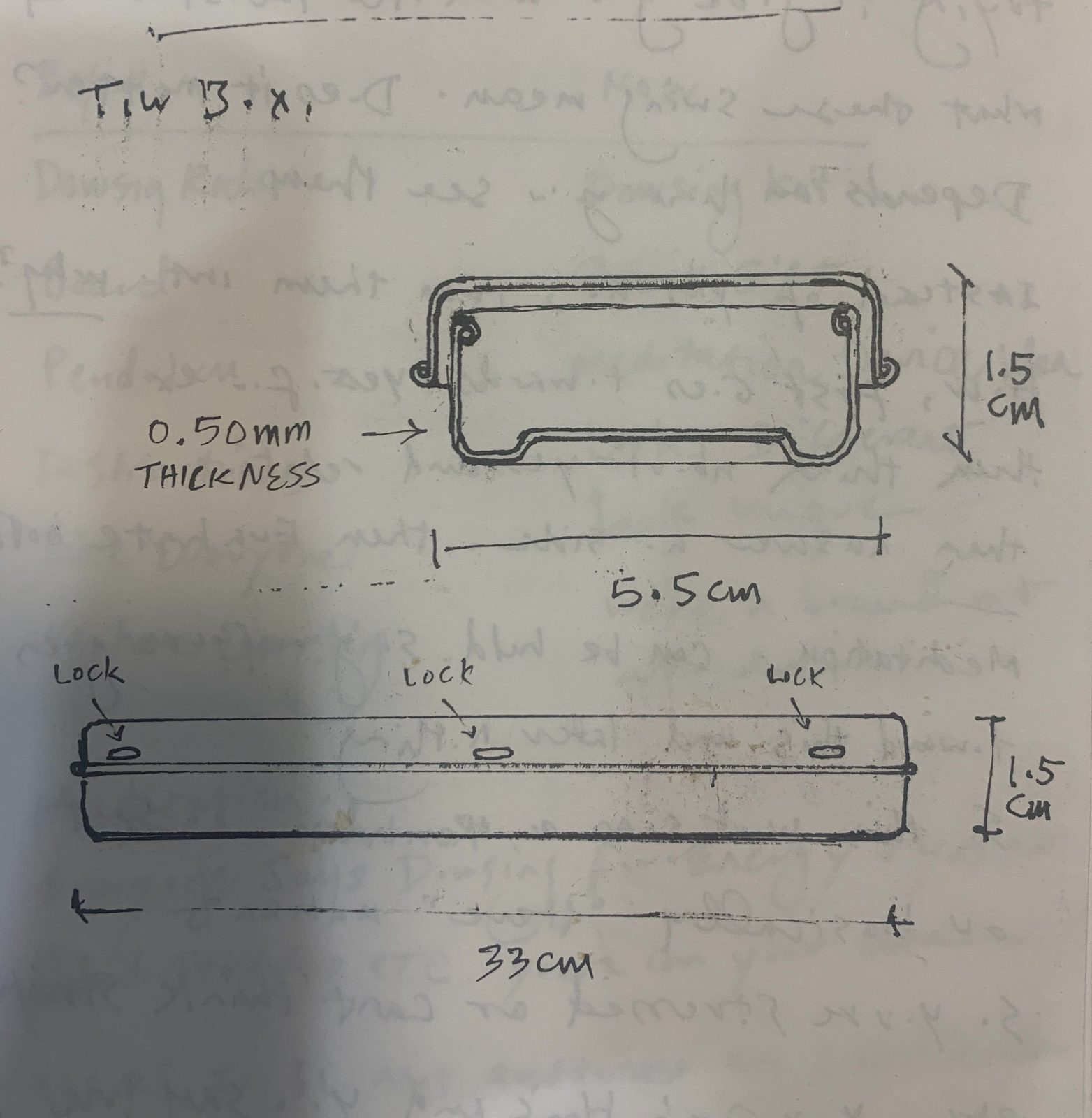
The Tin
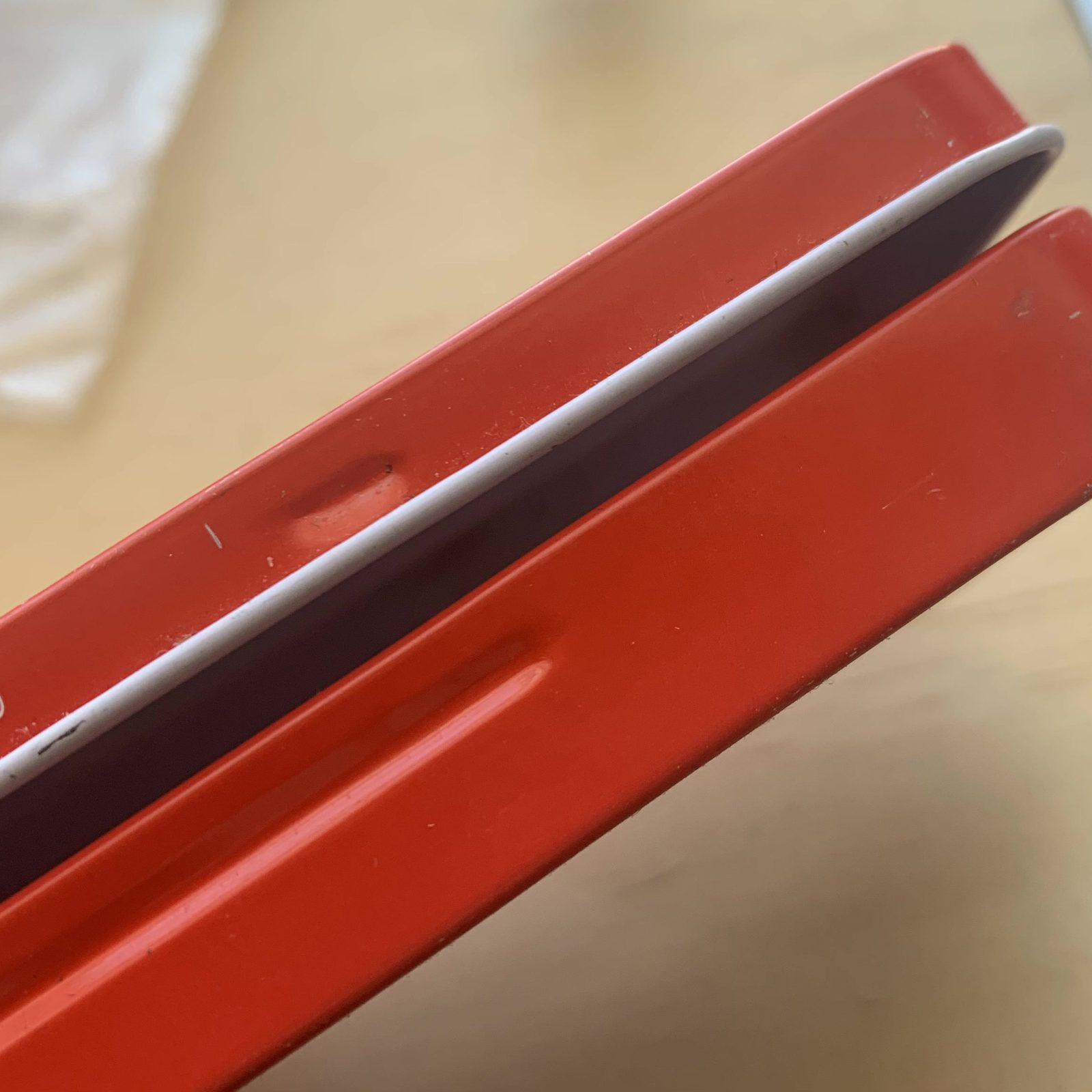
A lid that has to slide on smoothly, survive shipping, and open without a fight — all decided by a rolled edge you can barely see. So I drew the edge: 0.50 mm material, three locks along 33 cm.
The sample came back with daylight along the seam. That photo is in here. It's the most useful image I have.


2016 — where it started
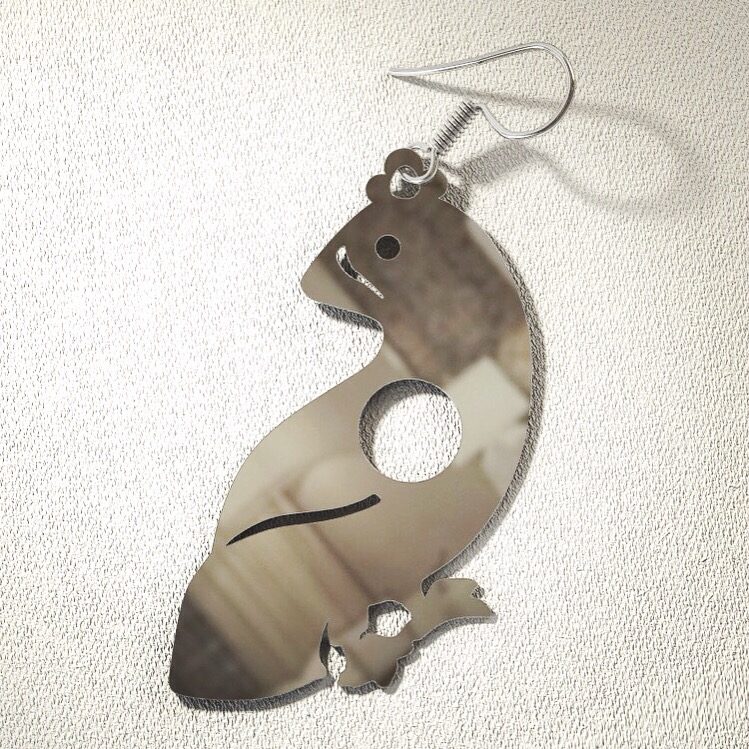
Jewelry
Flat-cut steel earrings — birds, and Persian arabesques drawn from tilework. Designed, cut, finished and photographed at home, sold online while I was still drawing buildings during the day.





Flat-pack
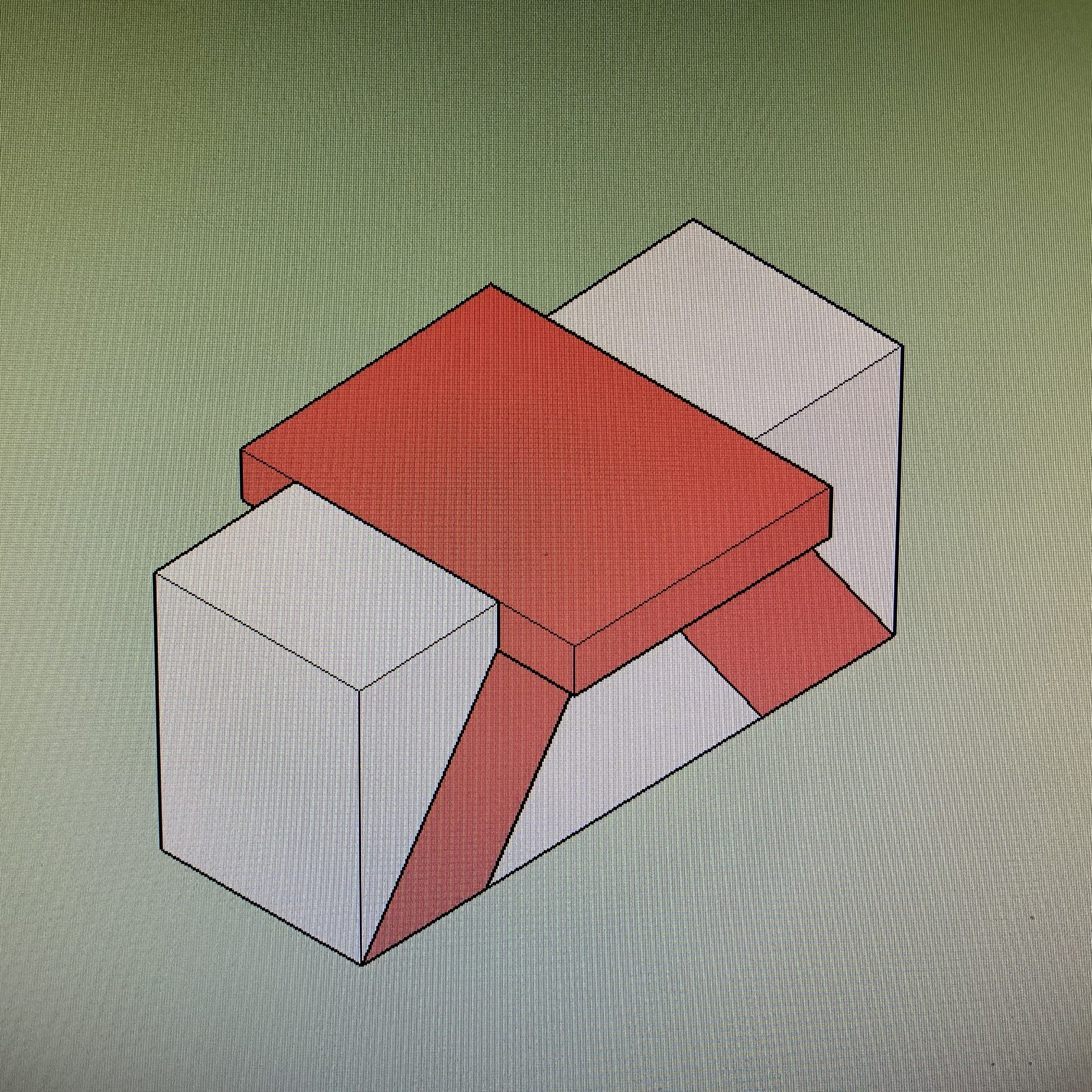
The Squirrel Table
A picnic table for squirrels, modeled as an exploded axonometric so every part cuts flat and assembles in a minute. The screw standing up in the middle is where the corn goes.
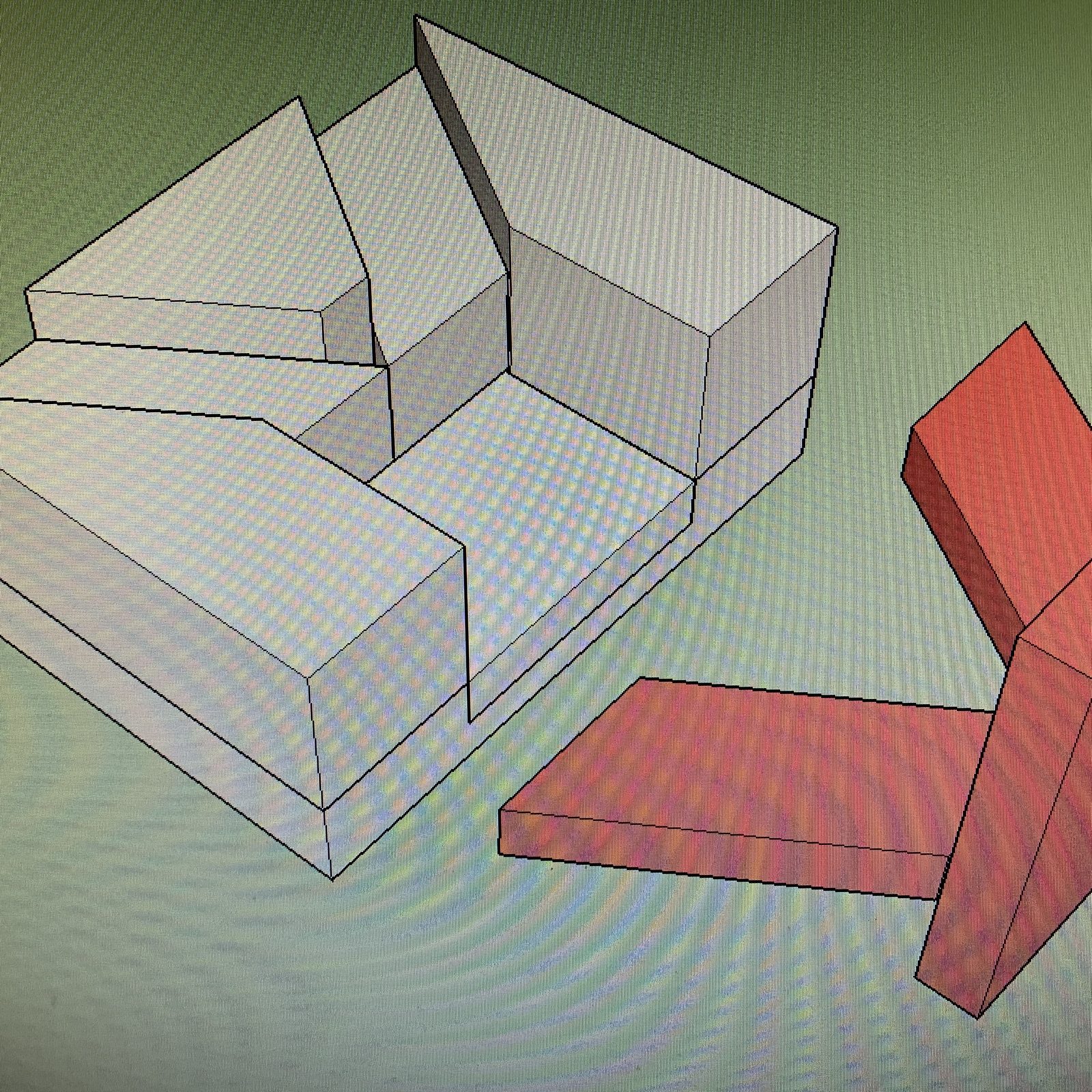
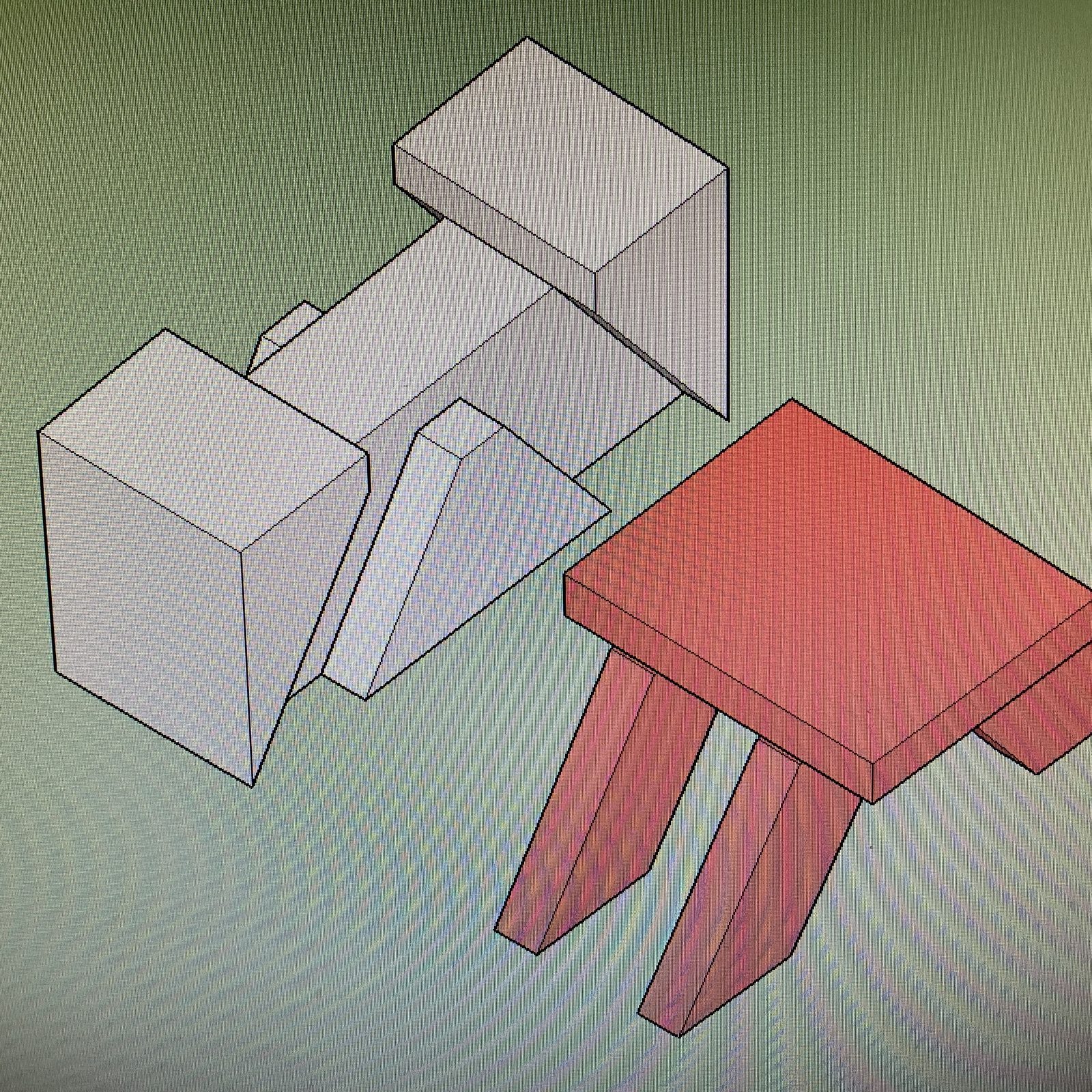
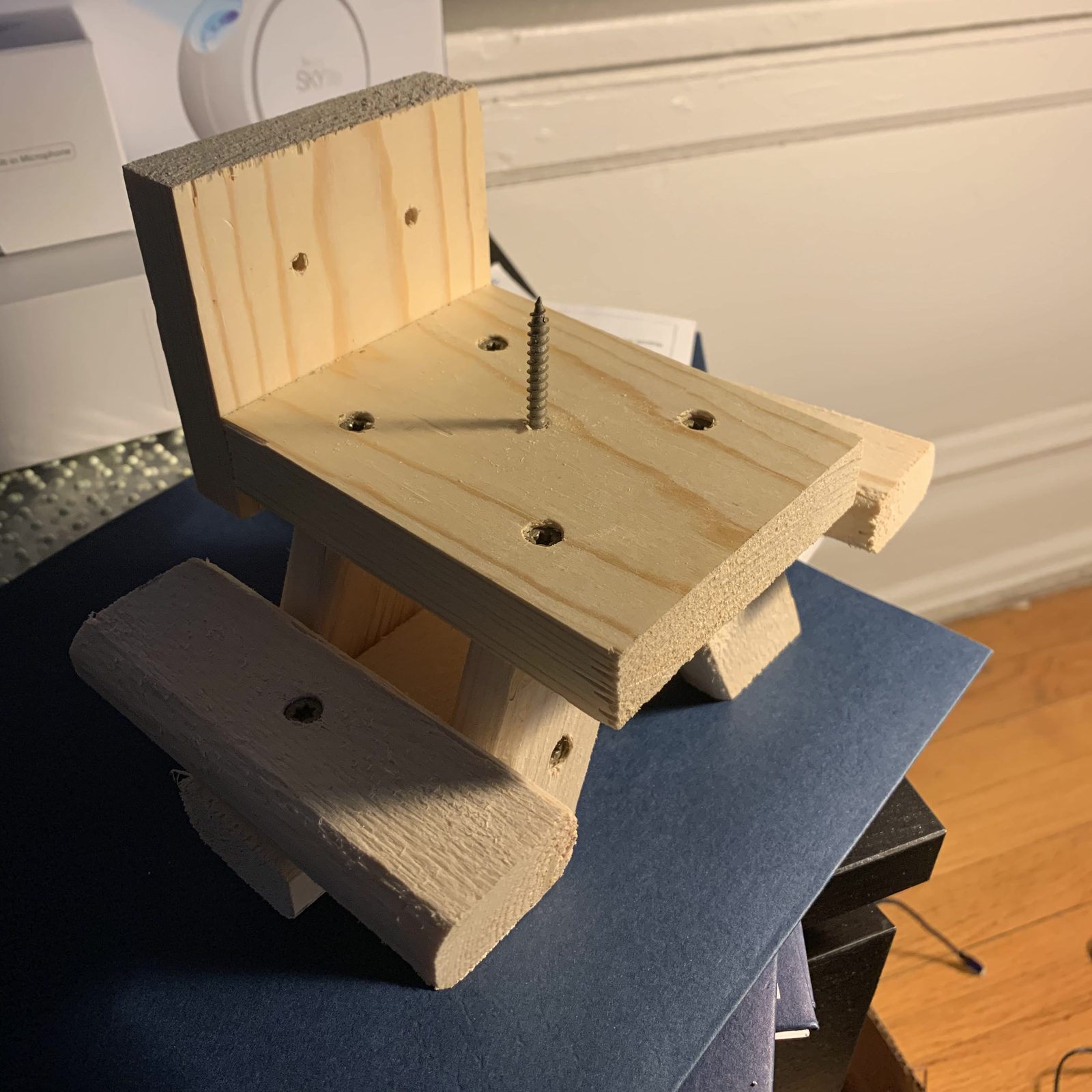
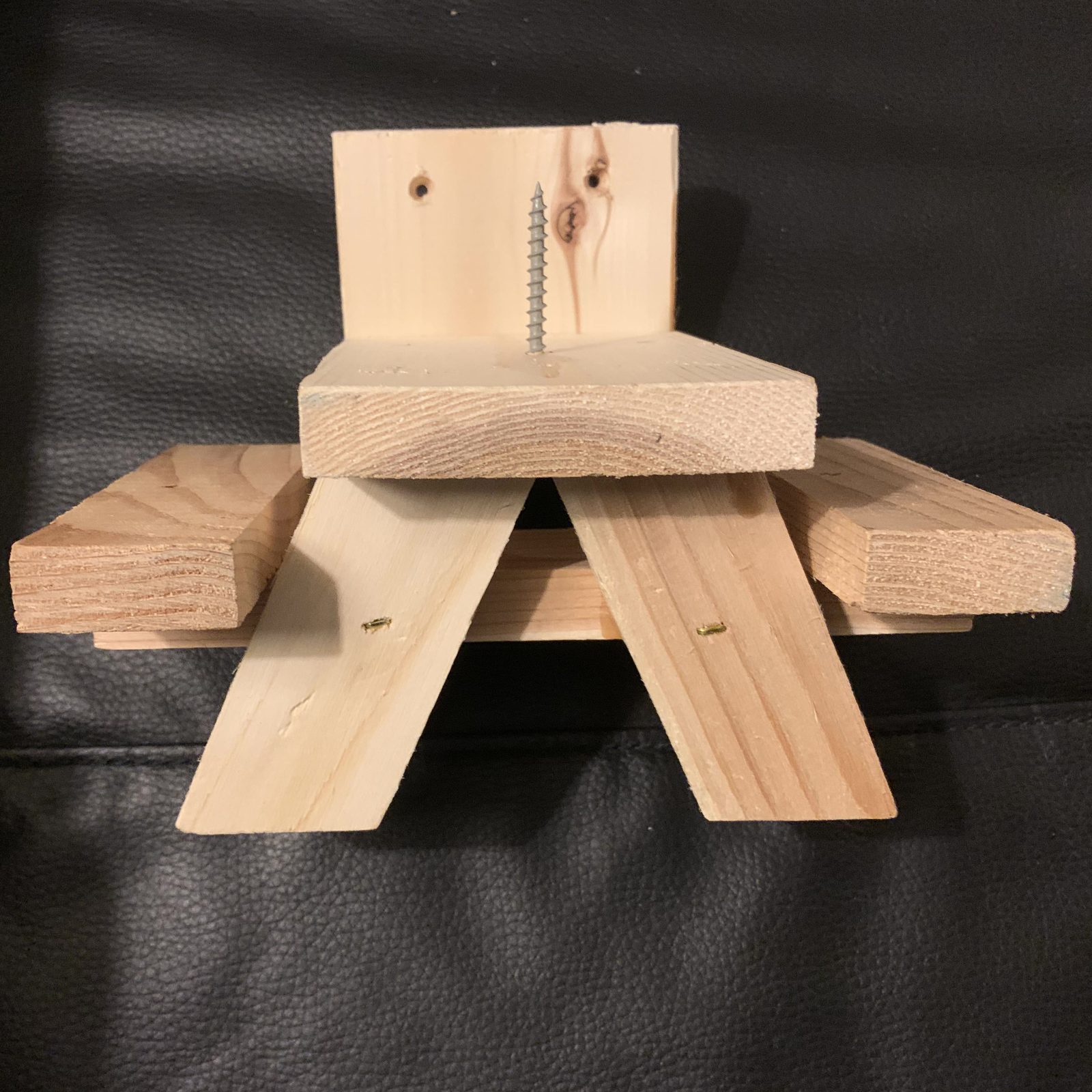

Peek Pause
The Stirrer
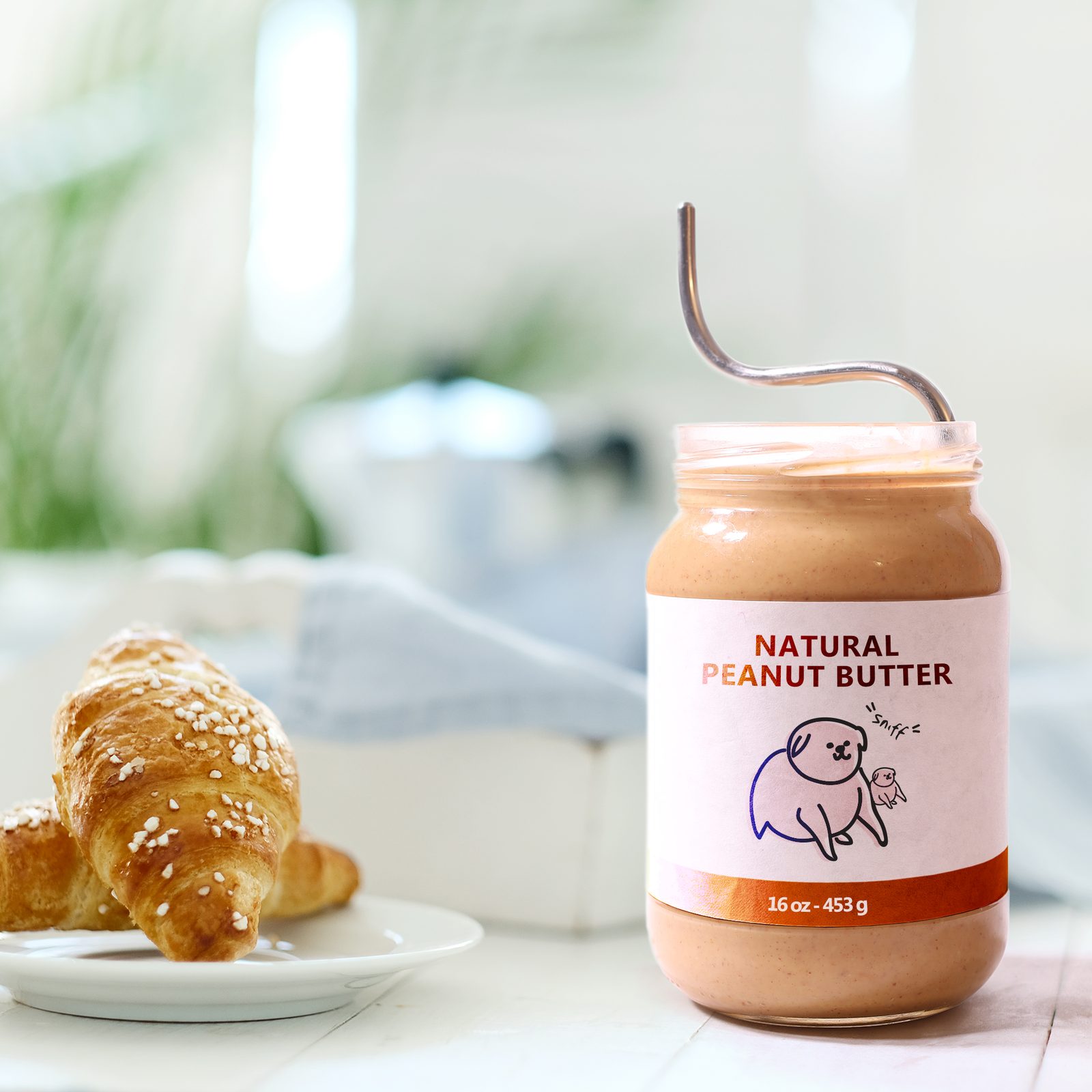
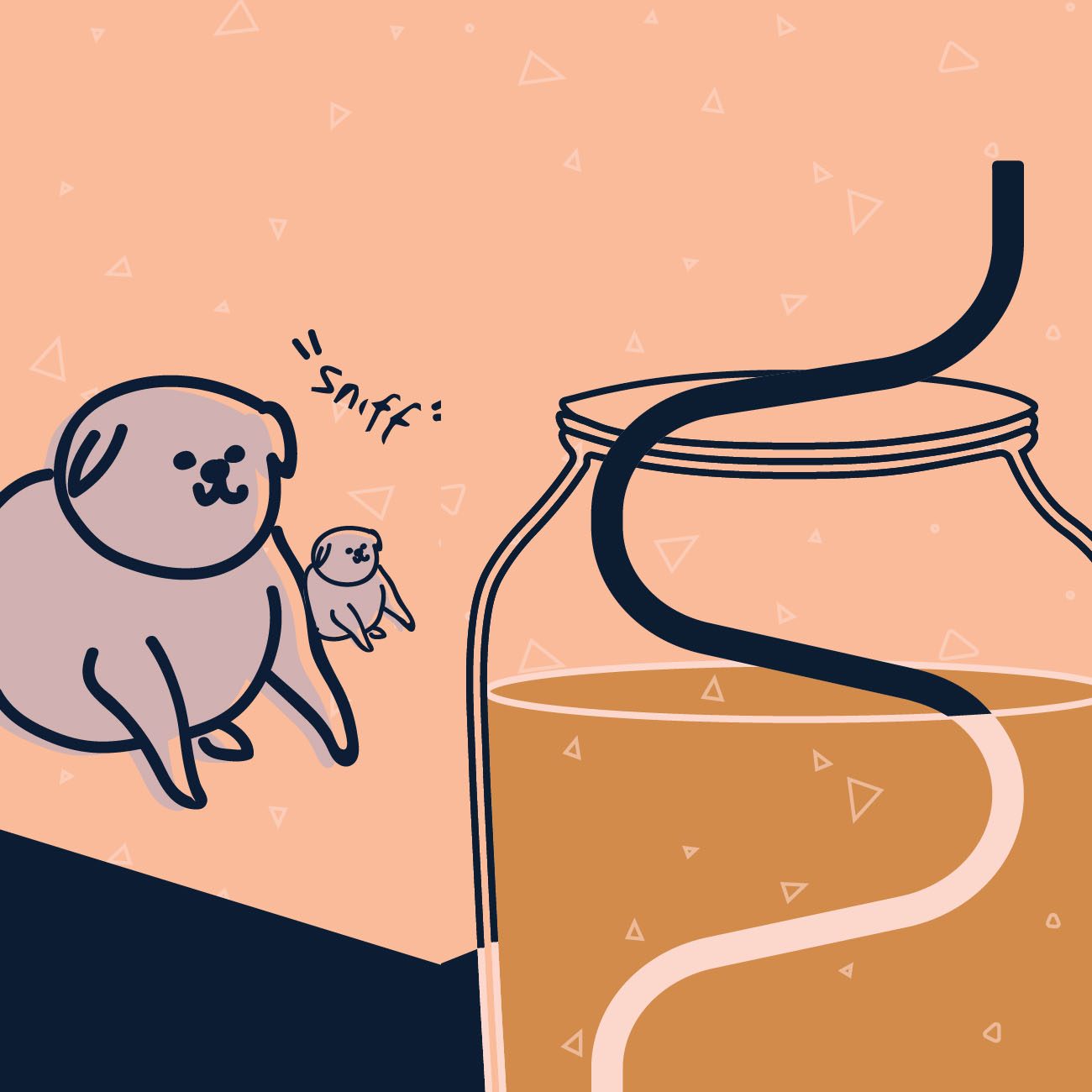
Natural peanut butter separates, and every fix on the market is a spoon you have to fight.
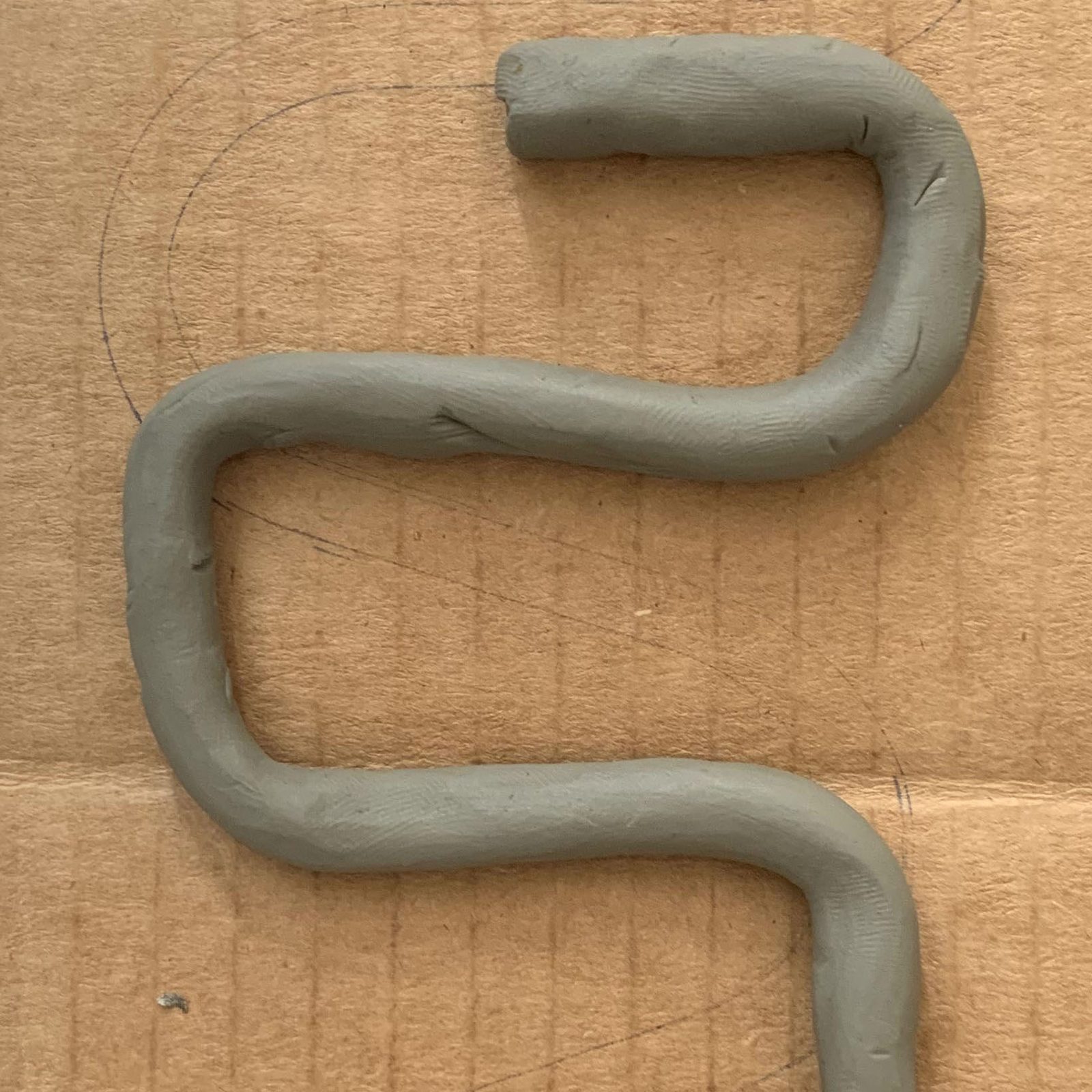
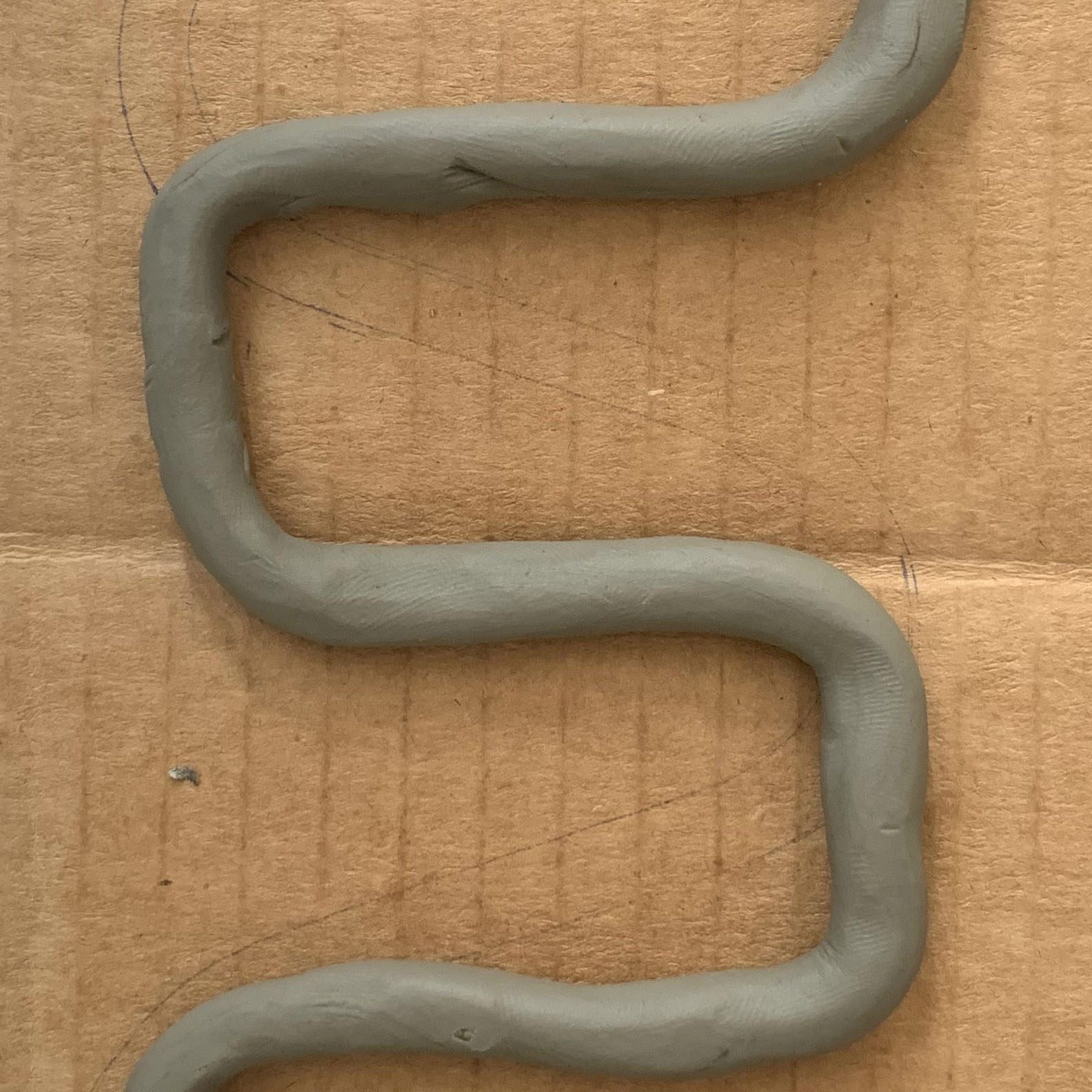
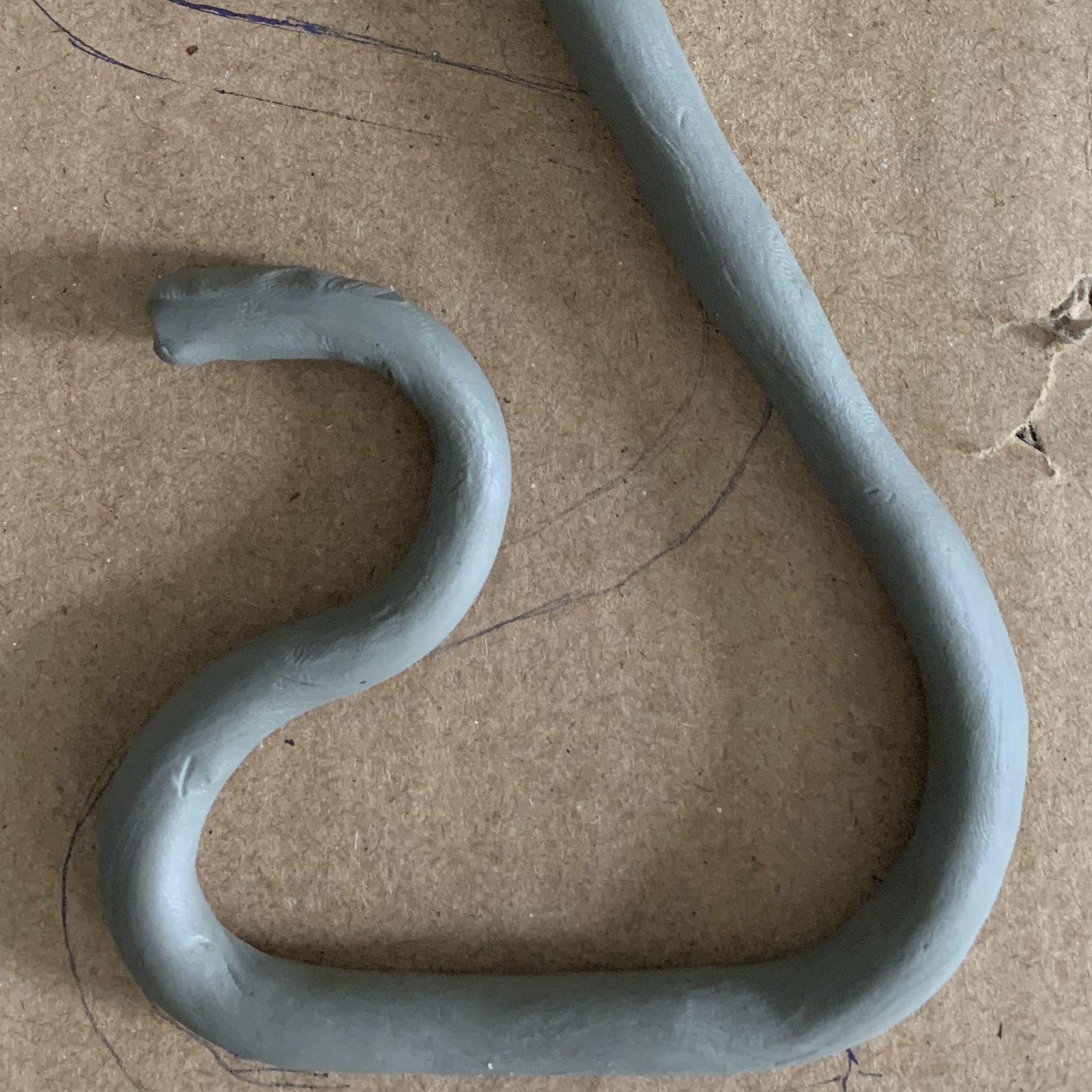
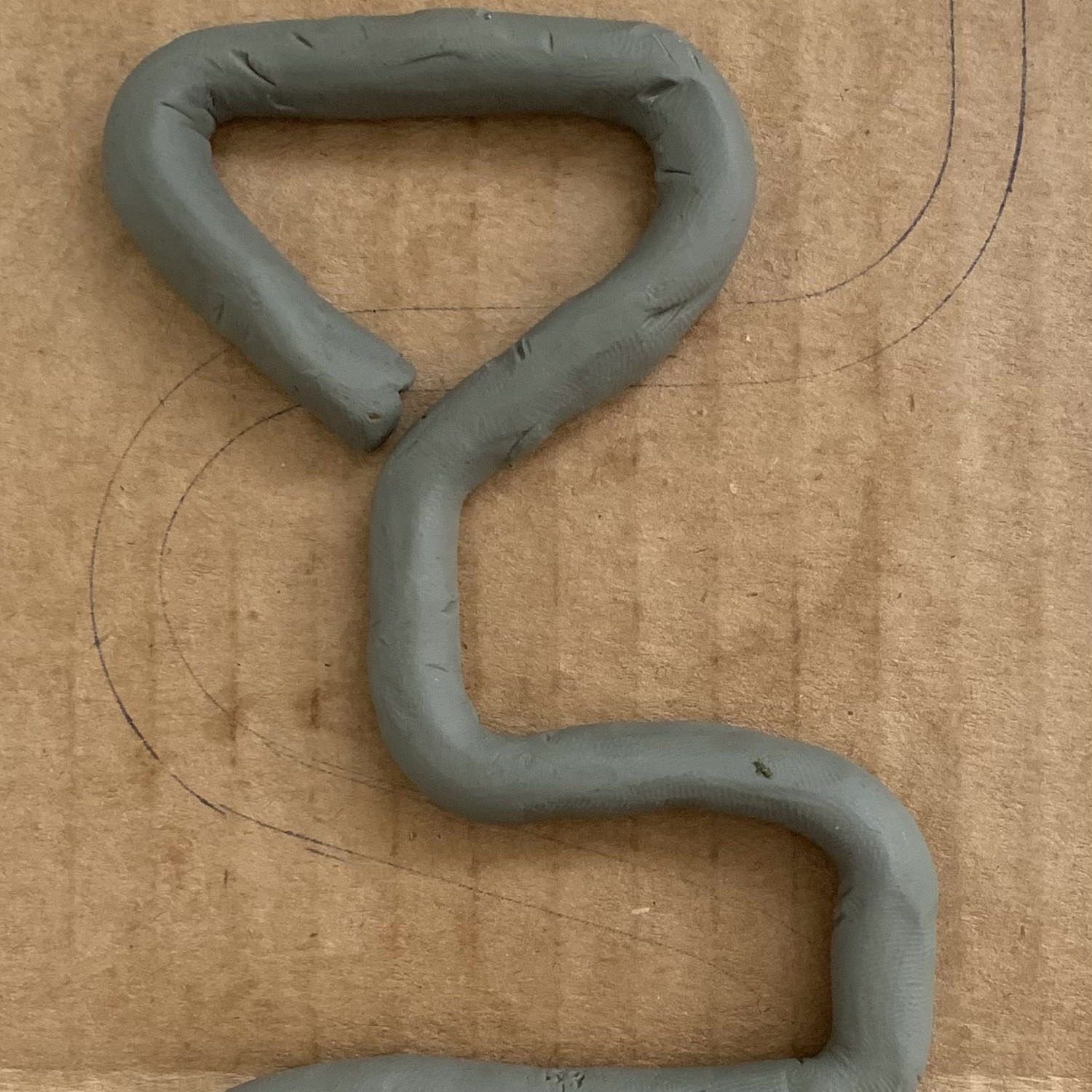
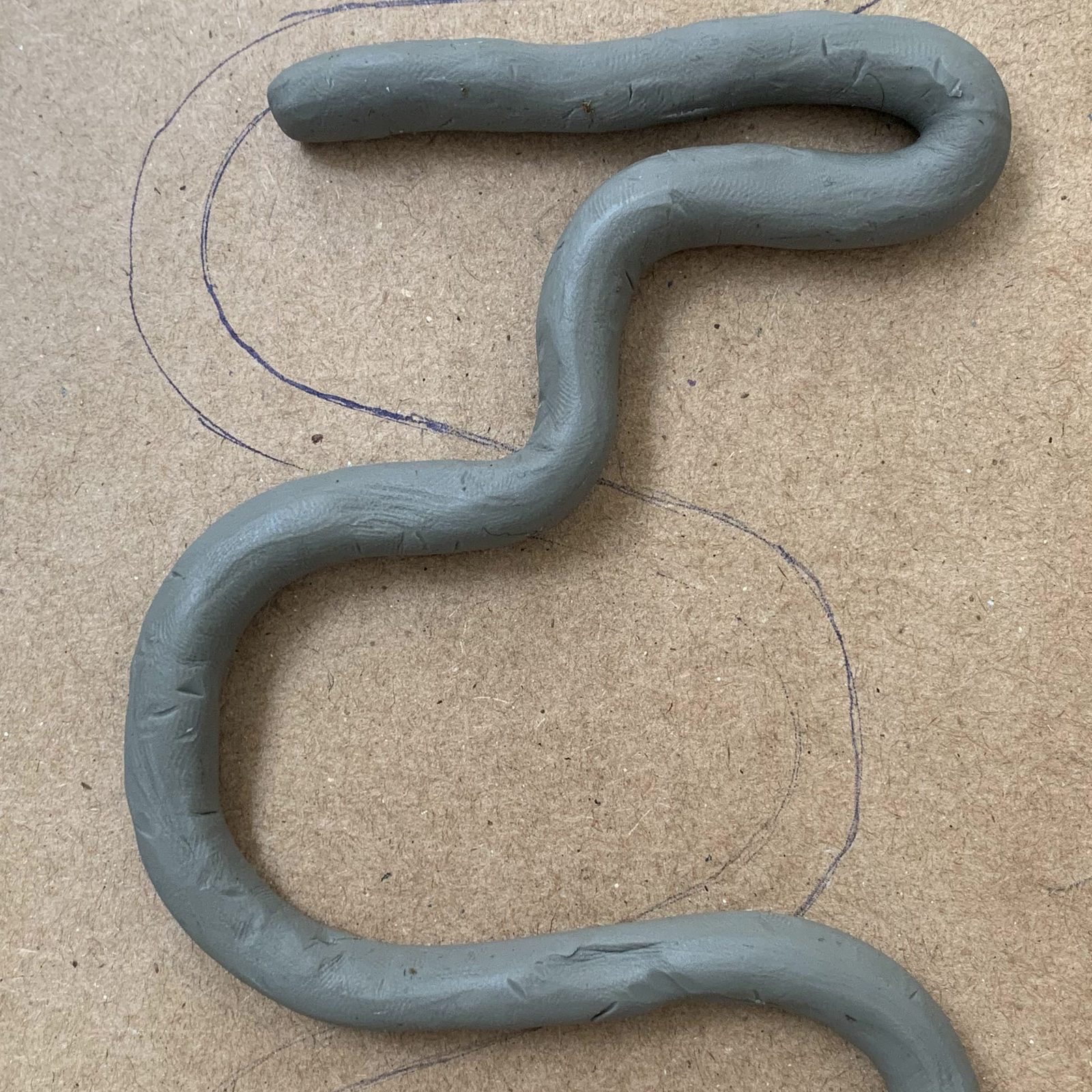
This one runs backwards — brand, jar, bent steel, then the clay it came from. Five lumps rolled over a pencil line, each a different answer to how much travel you can get down the neck of a jar.

Custom part
The Bit
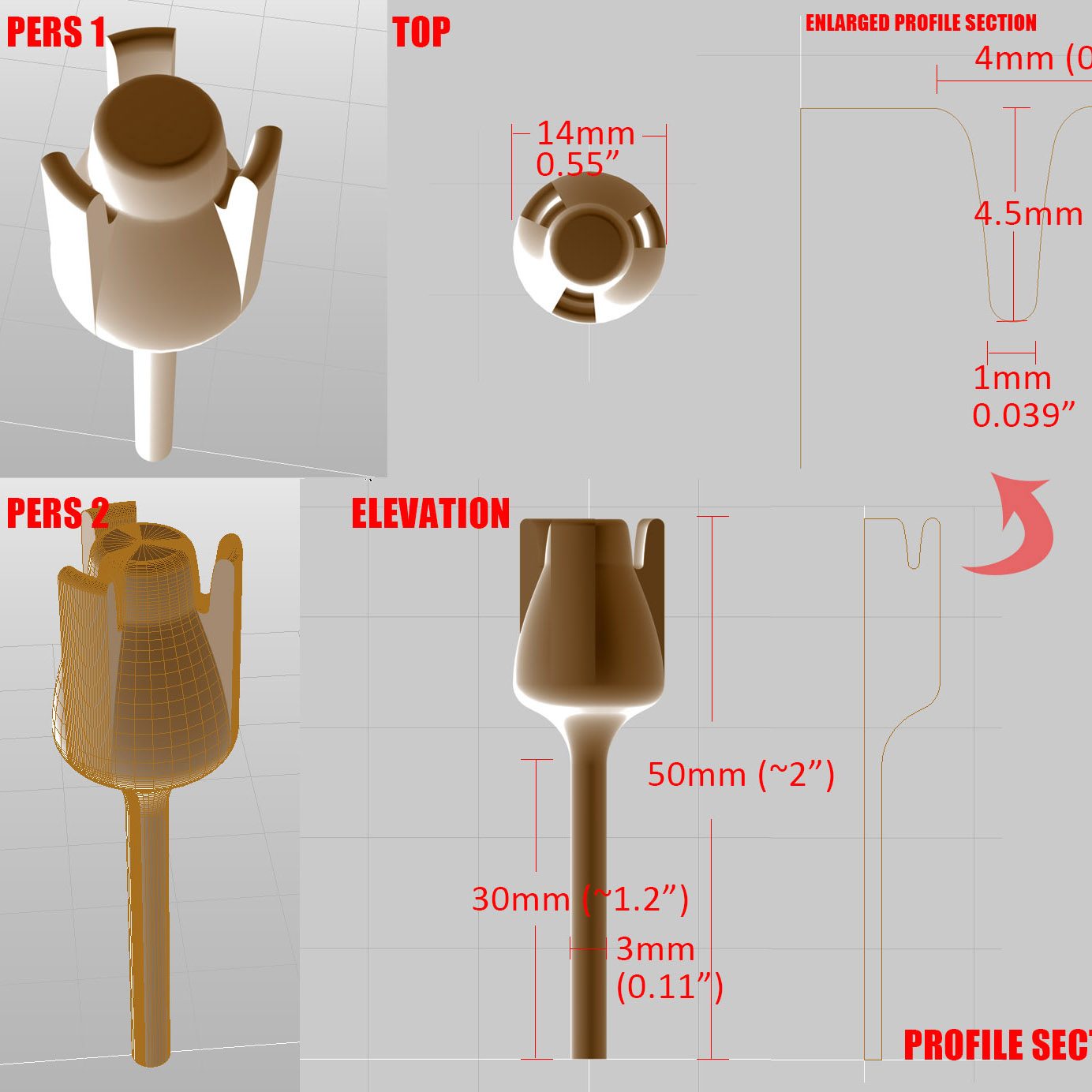
Perspective, top, elevation, and an enlarged profile section — because the part lives or dies on a 1 mm wall.
Dimensioned twice, metric and imperial. Not tidiness: the shop quotes in inches, the model is built in millimeters, and the conversion is where parts go wrong.
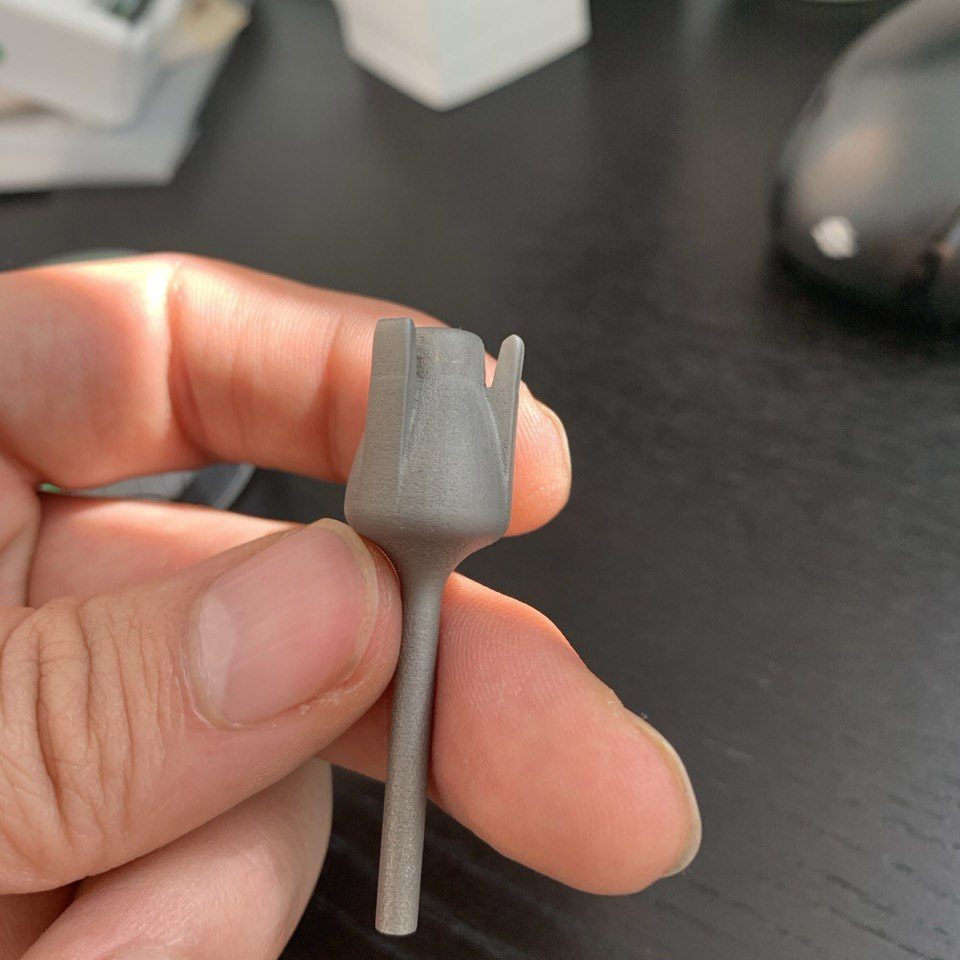
Felt case
The Sleeve
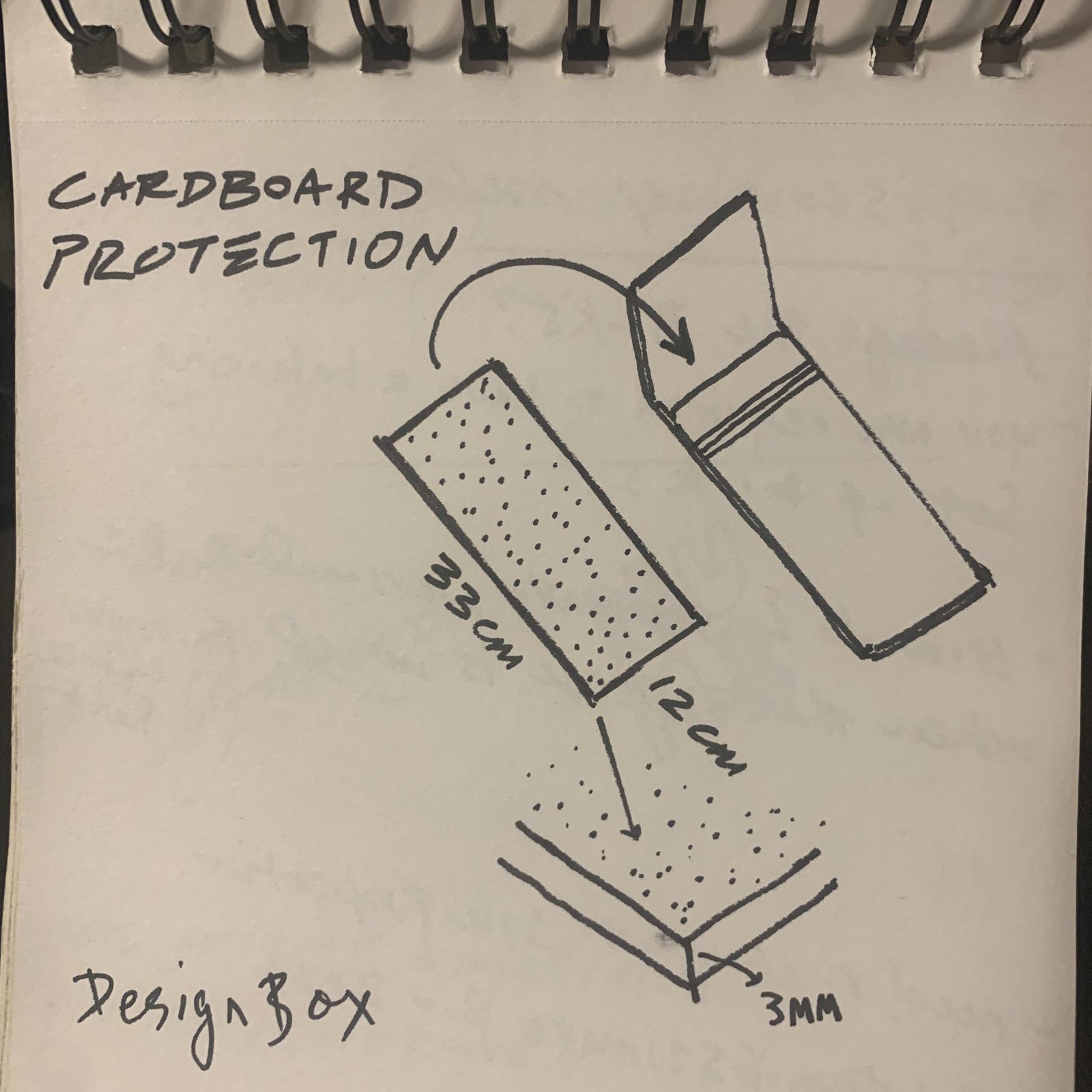
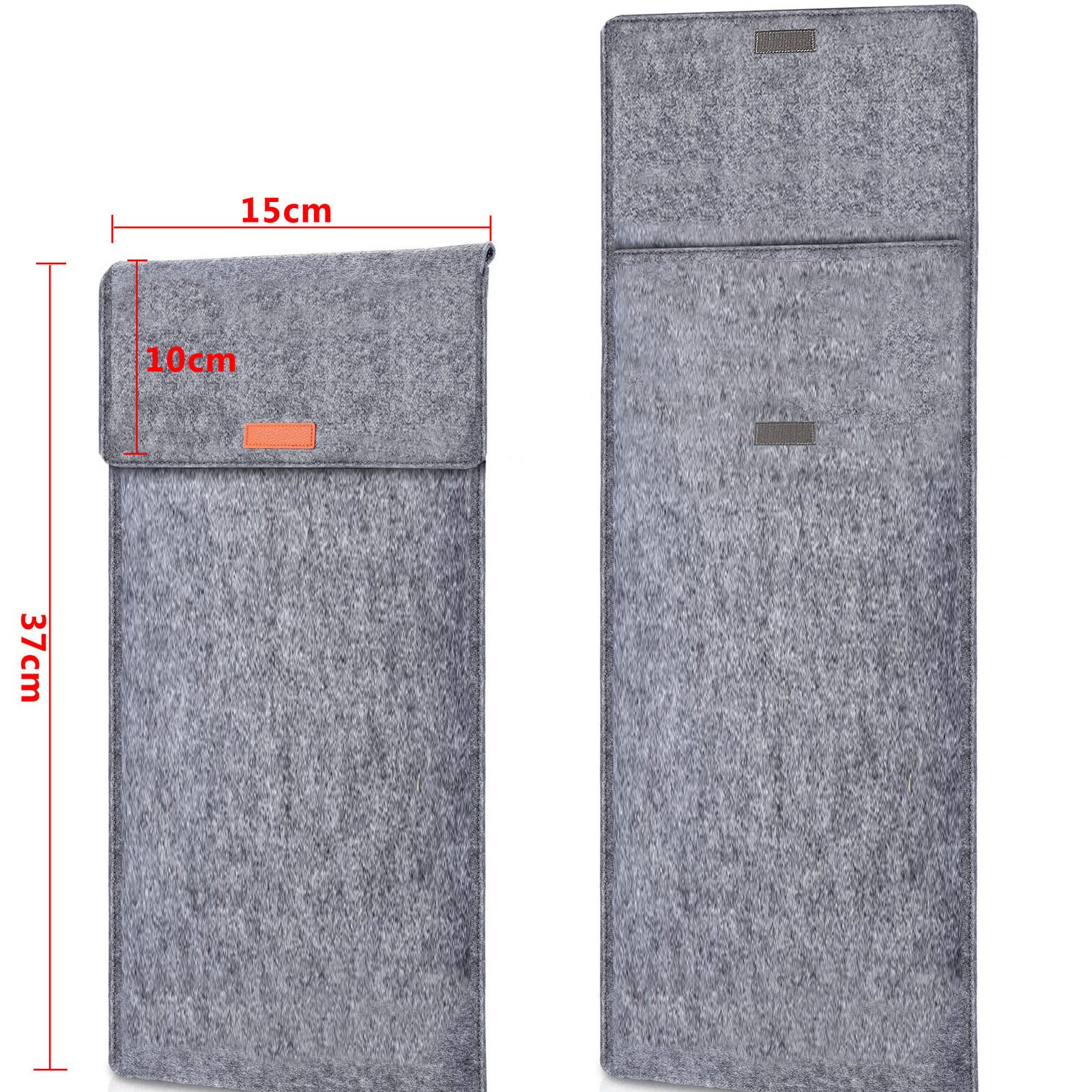
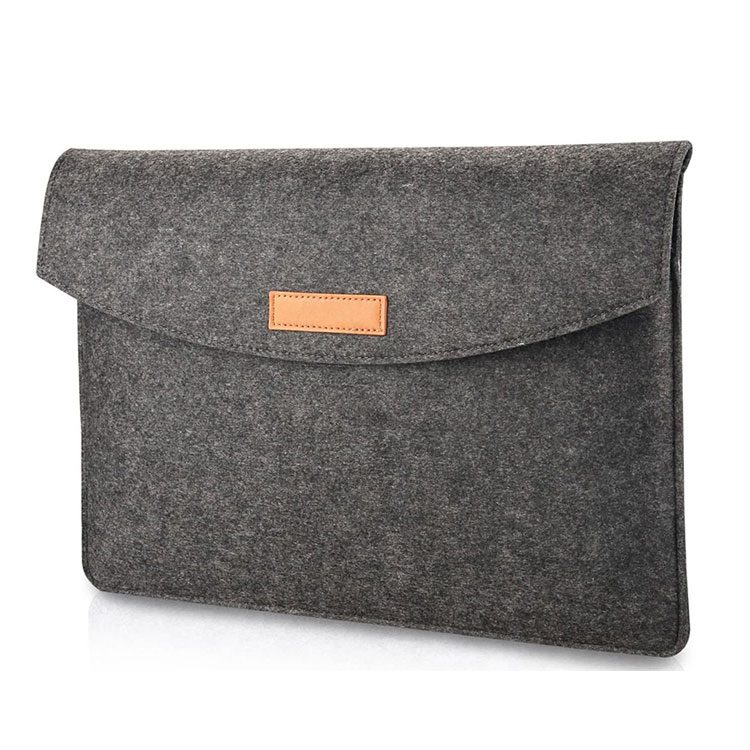
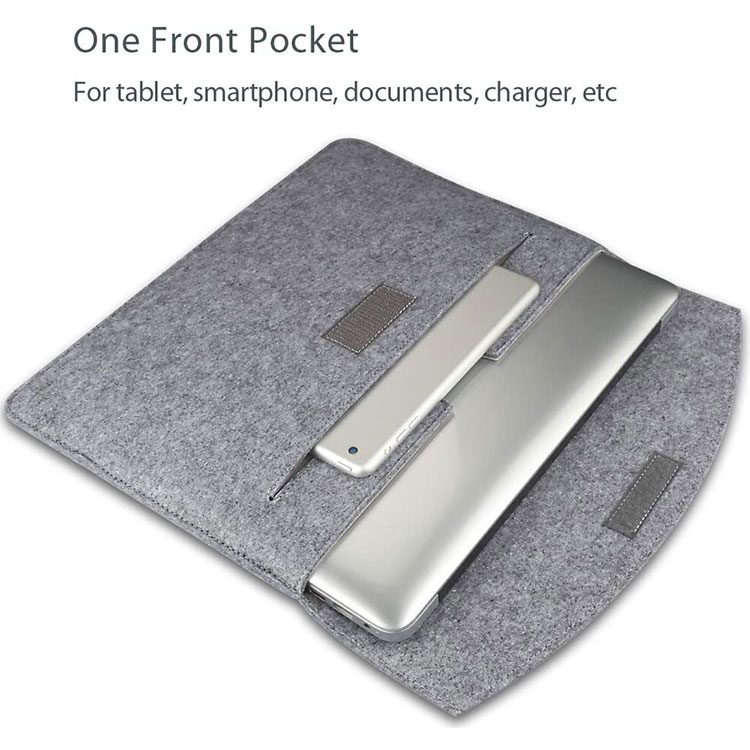
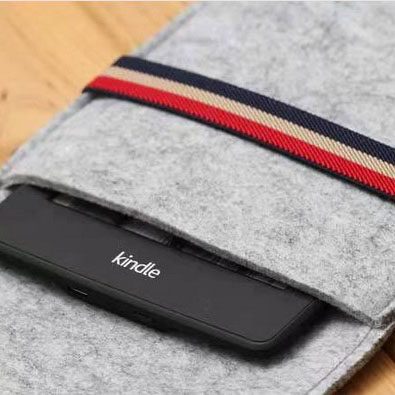
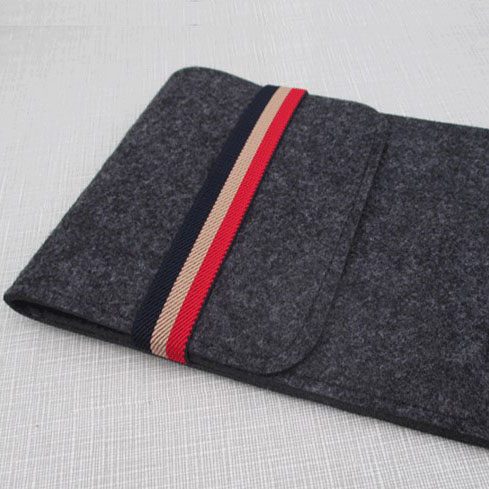
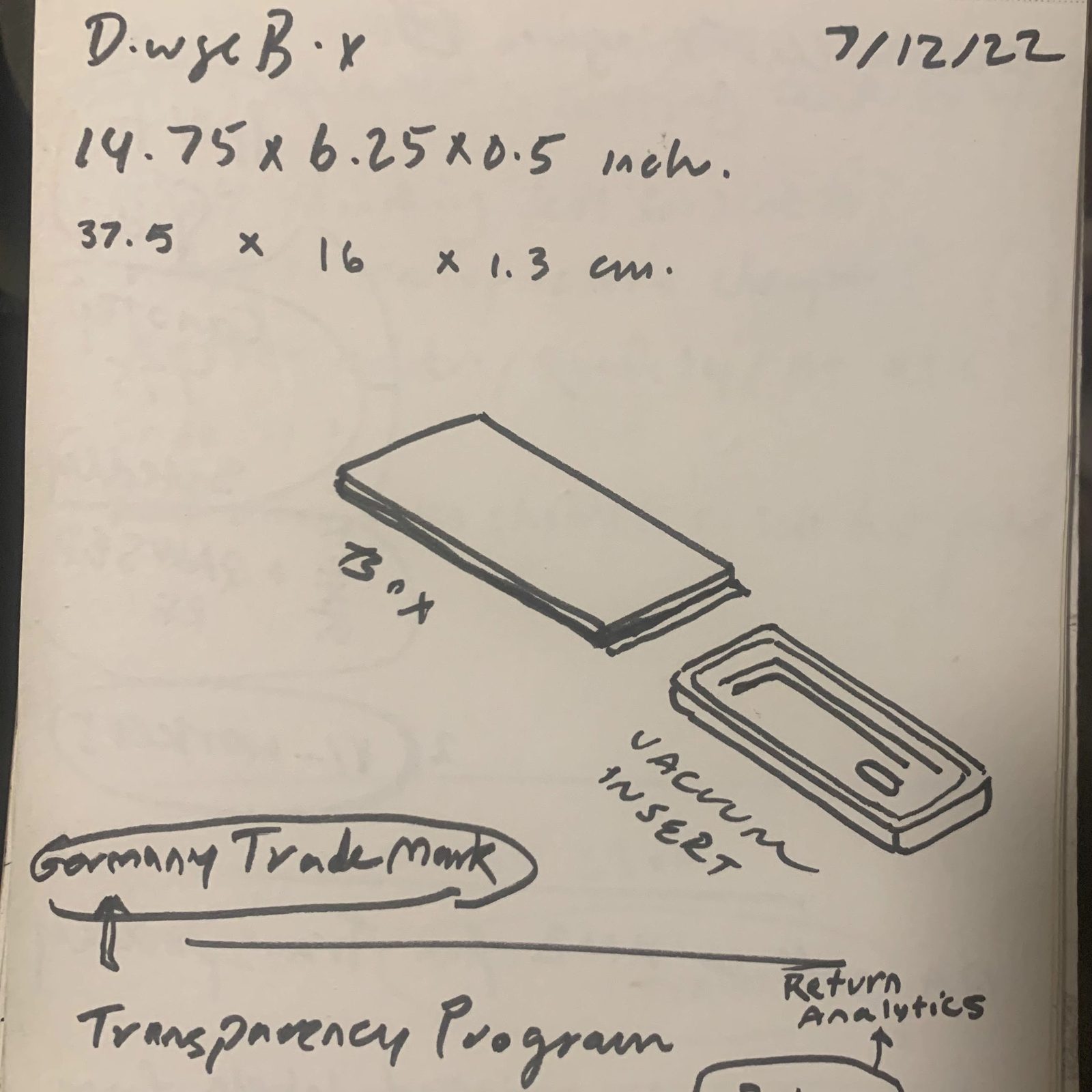
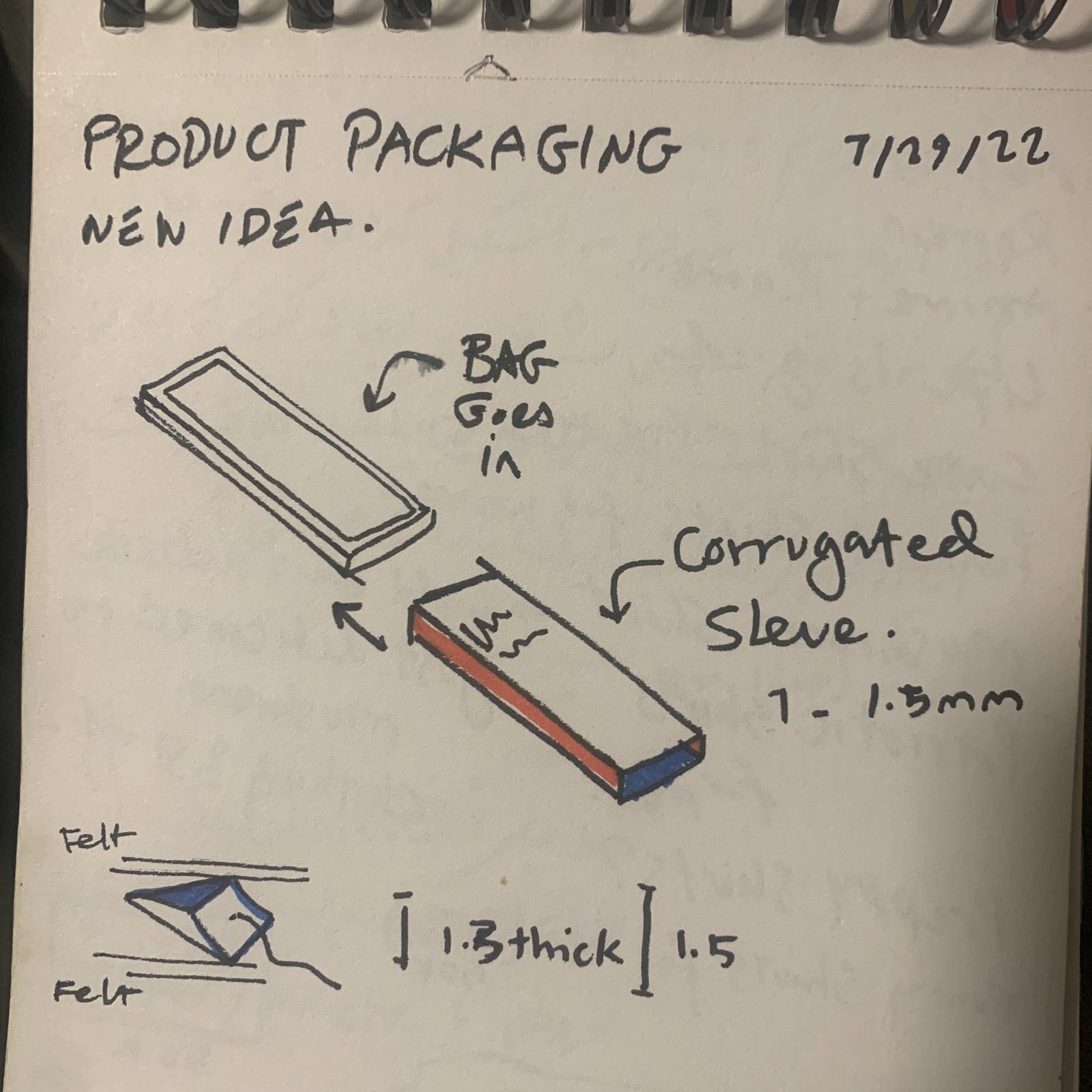
38 × 16 cm. Stitching at 5 mm. Band 2.5 cm minimum, three colors, blue on top — because a sample came back with the stripe flipped and read as a different product.
A spec sheet is just the accumulated memory of everything that already went wrong.
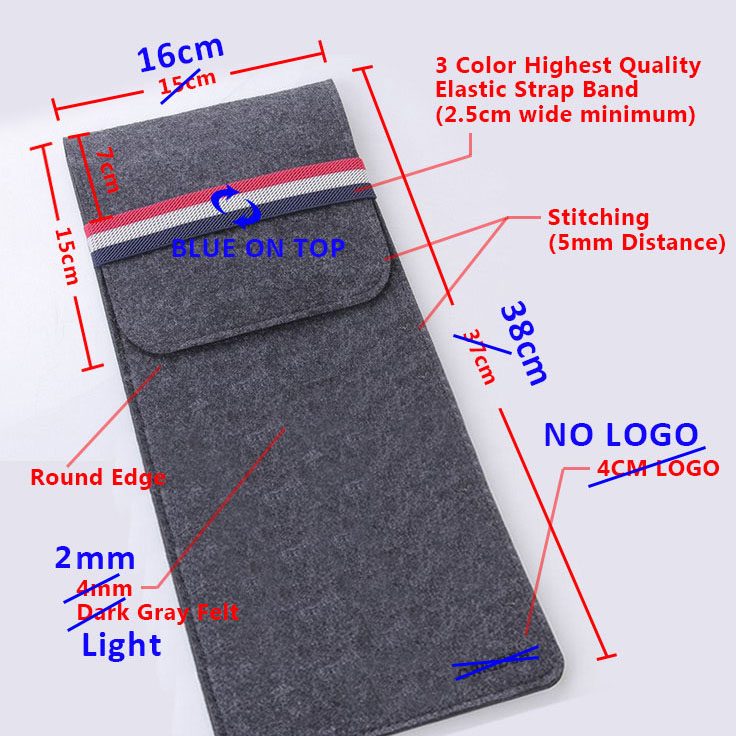
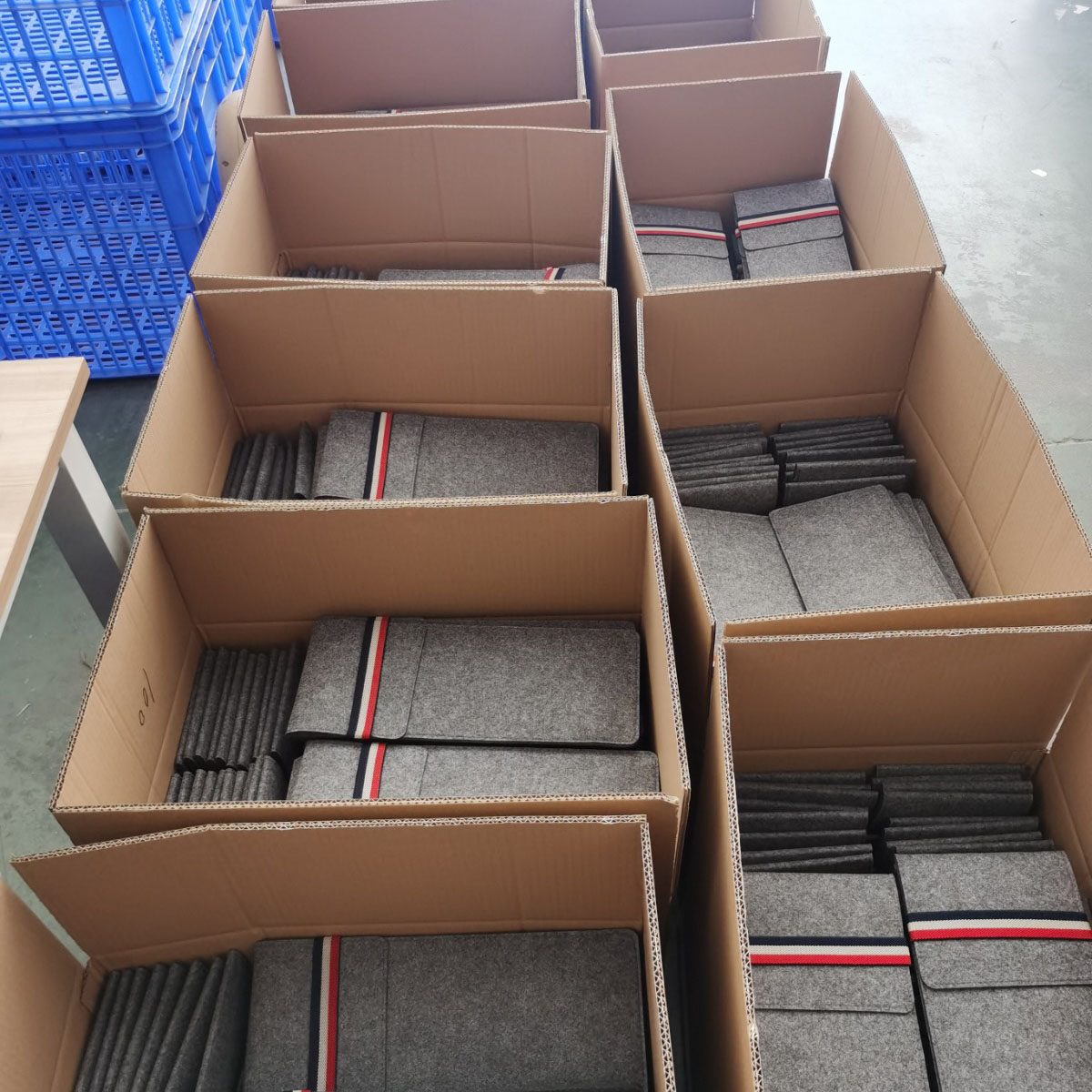
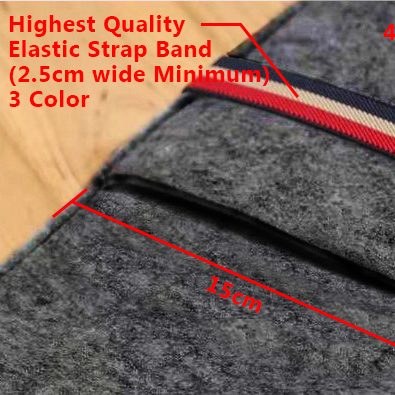
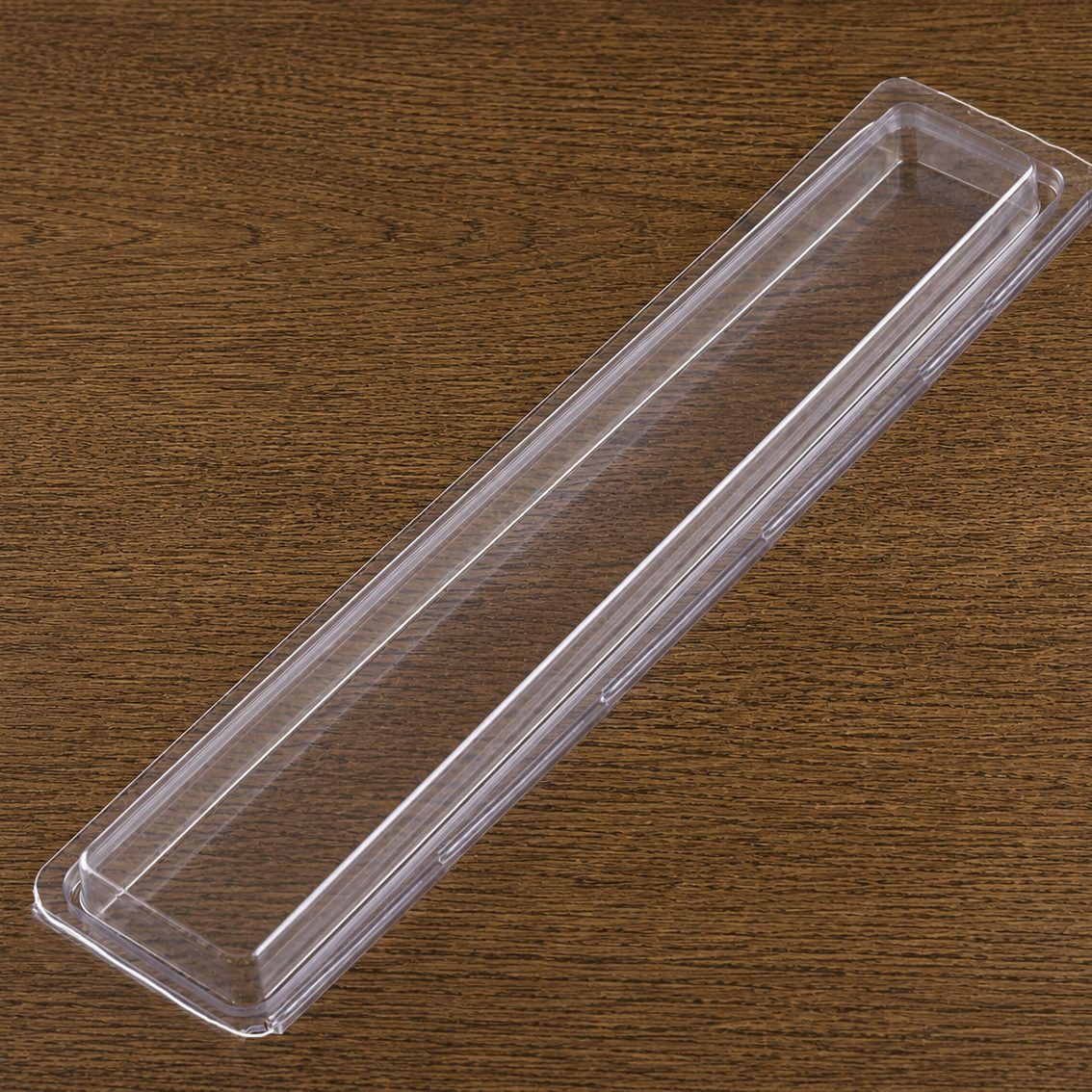
Thermoformed insert
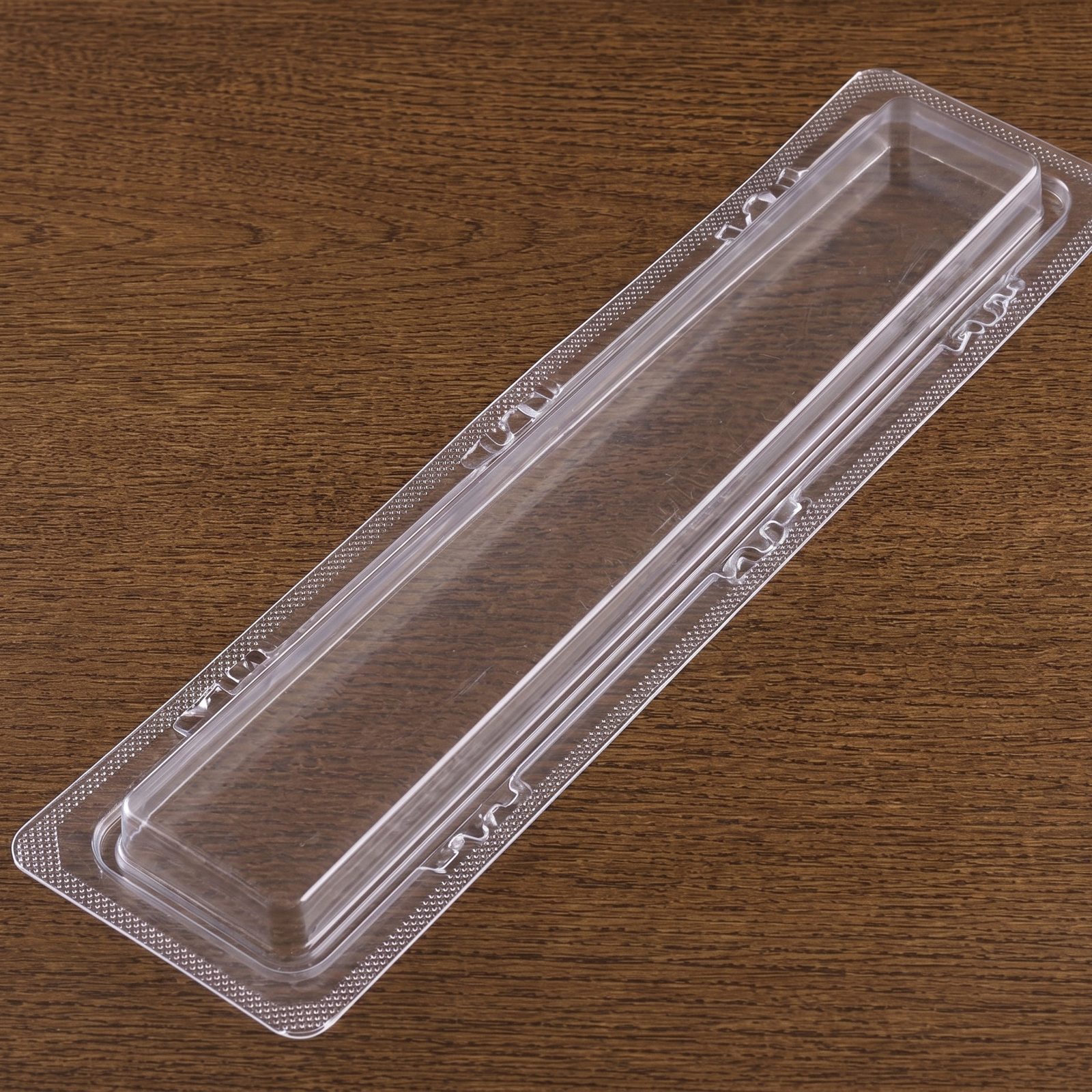
The Tray
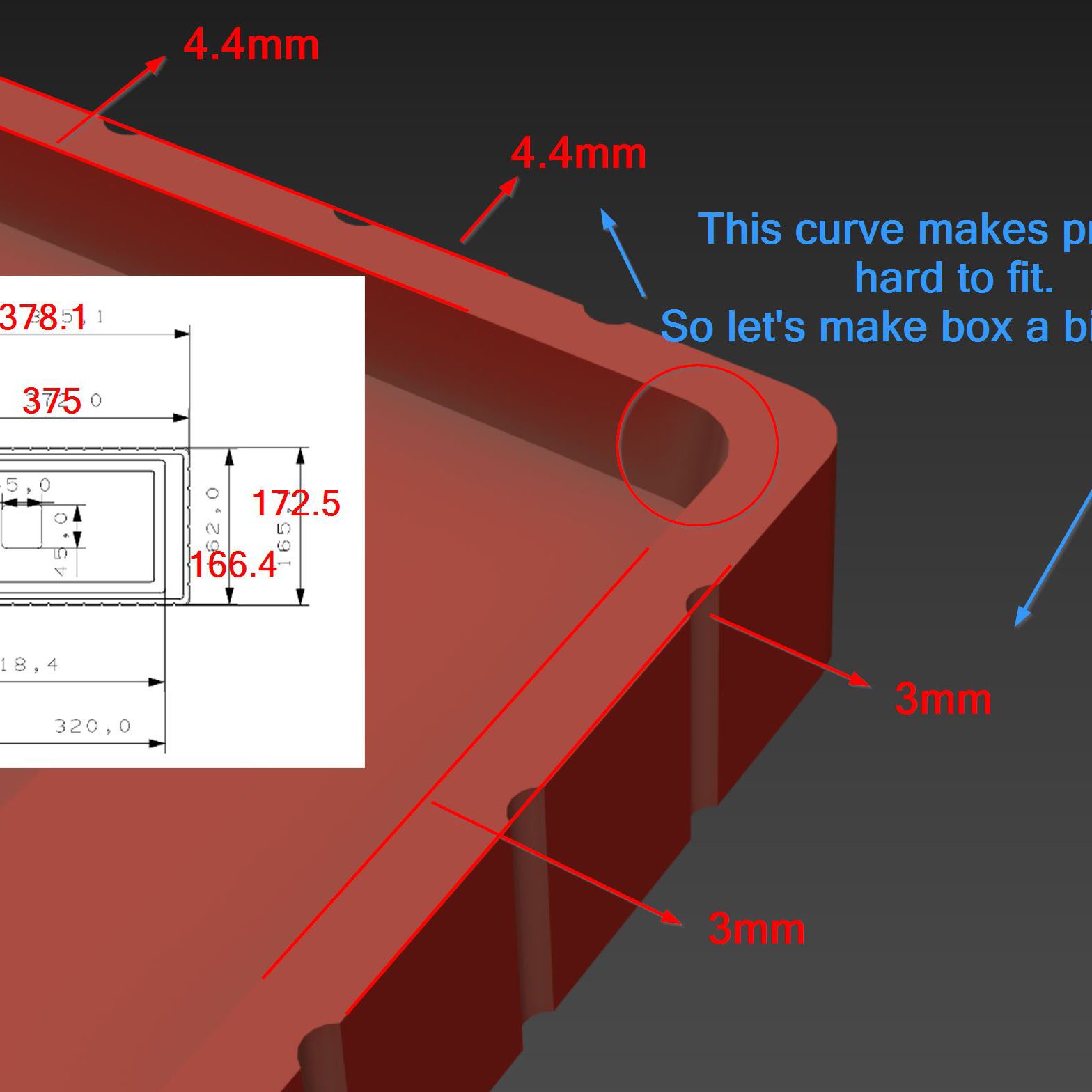
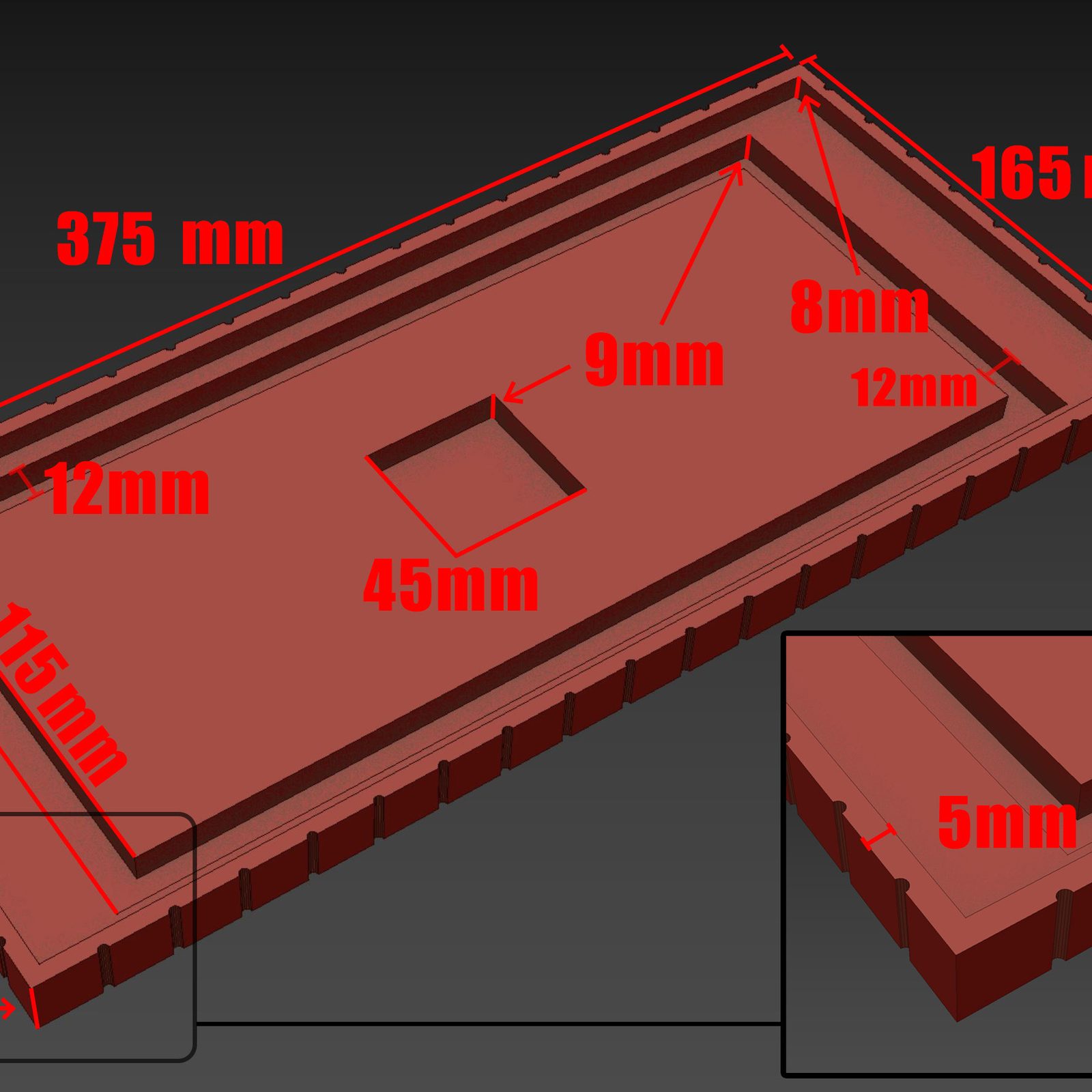
The supplier's model looked fine until the corner: a 4.4 mm radius rolling into a 3 mm wall. Correct geometry, and the product catches every time someone on the line drops it in.
My note back, in blue: this curve makes product hard to fit, so let's make box a bit bigger. Most of the job is noticing that.

Before anything
Notebooks
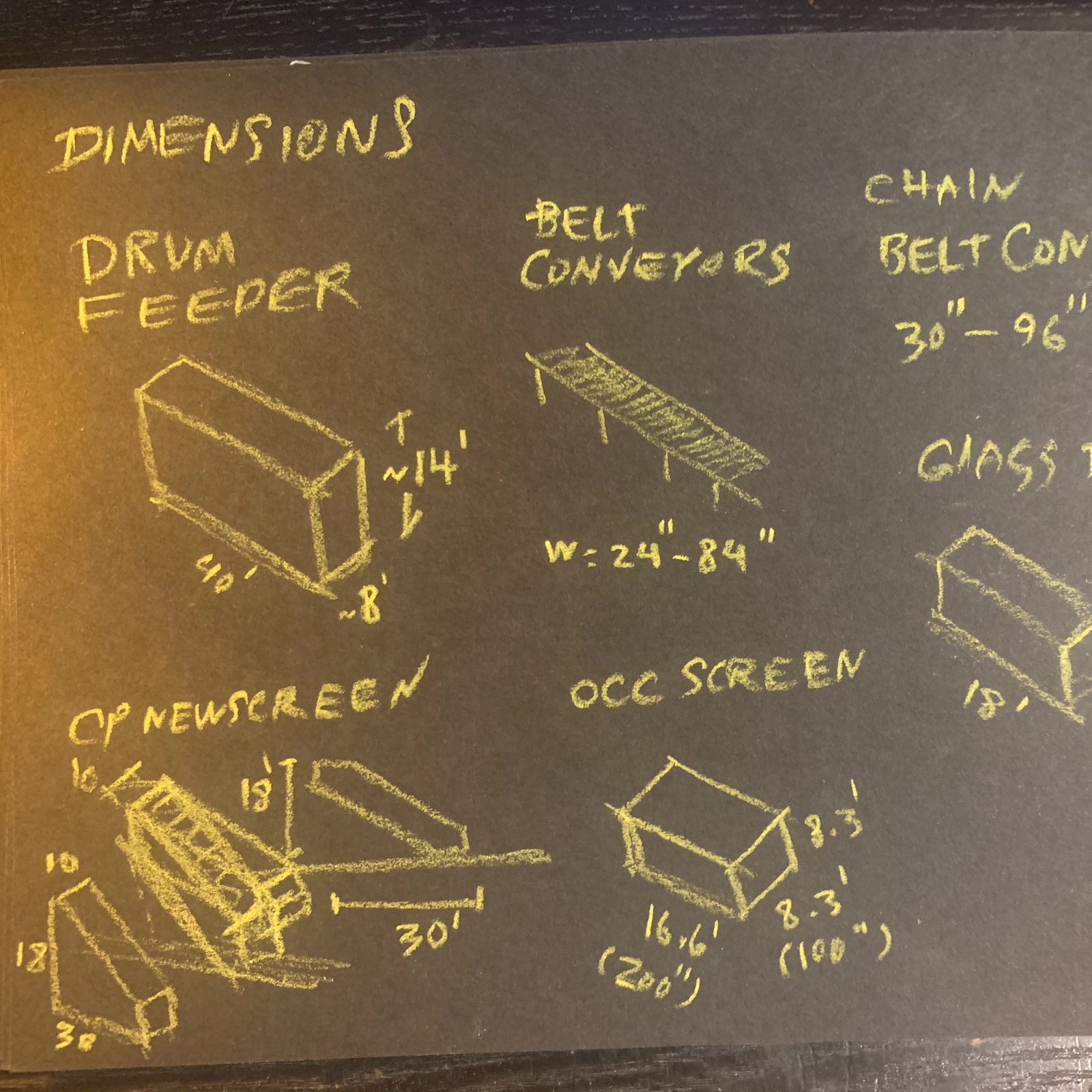
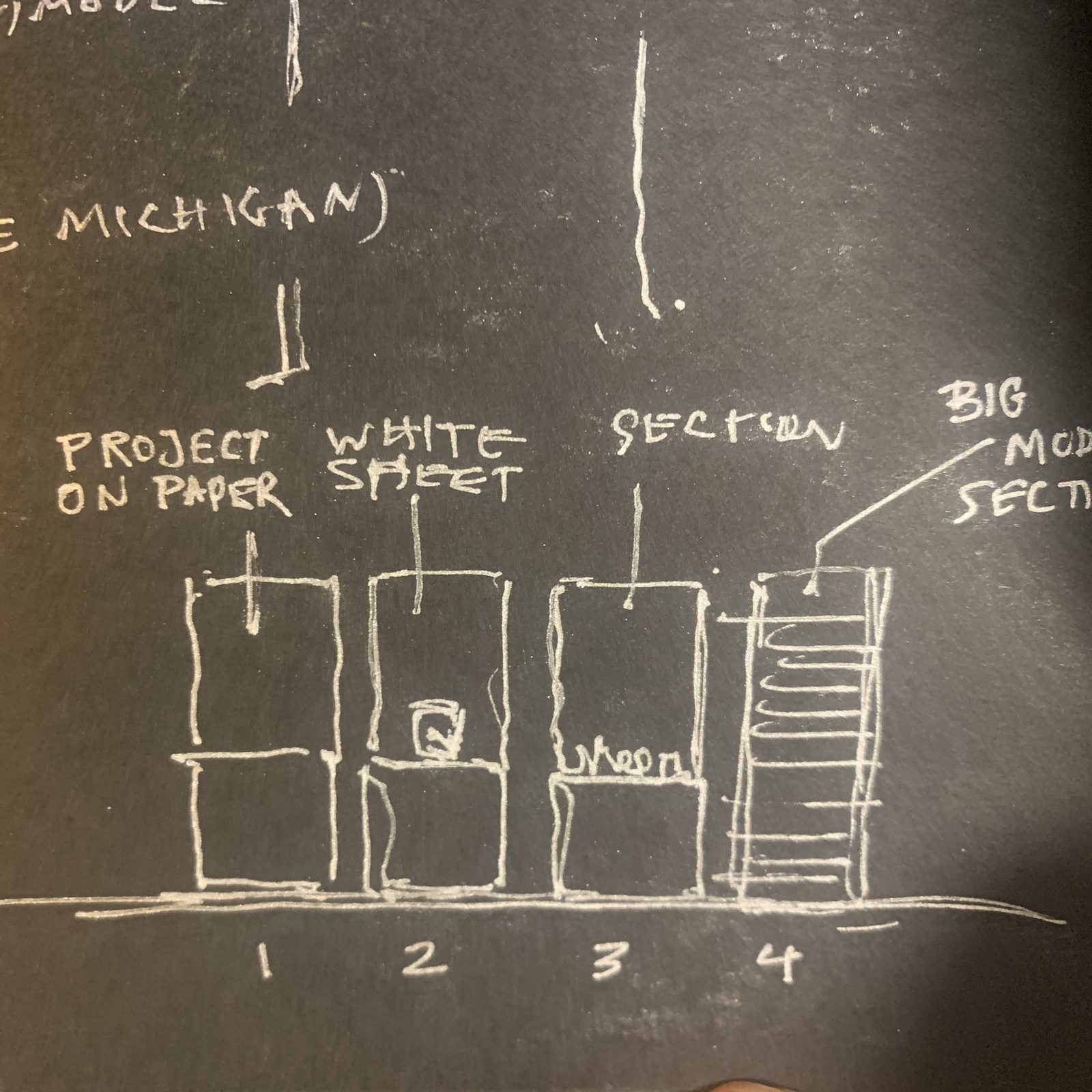
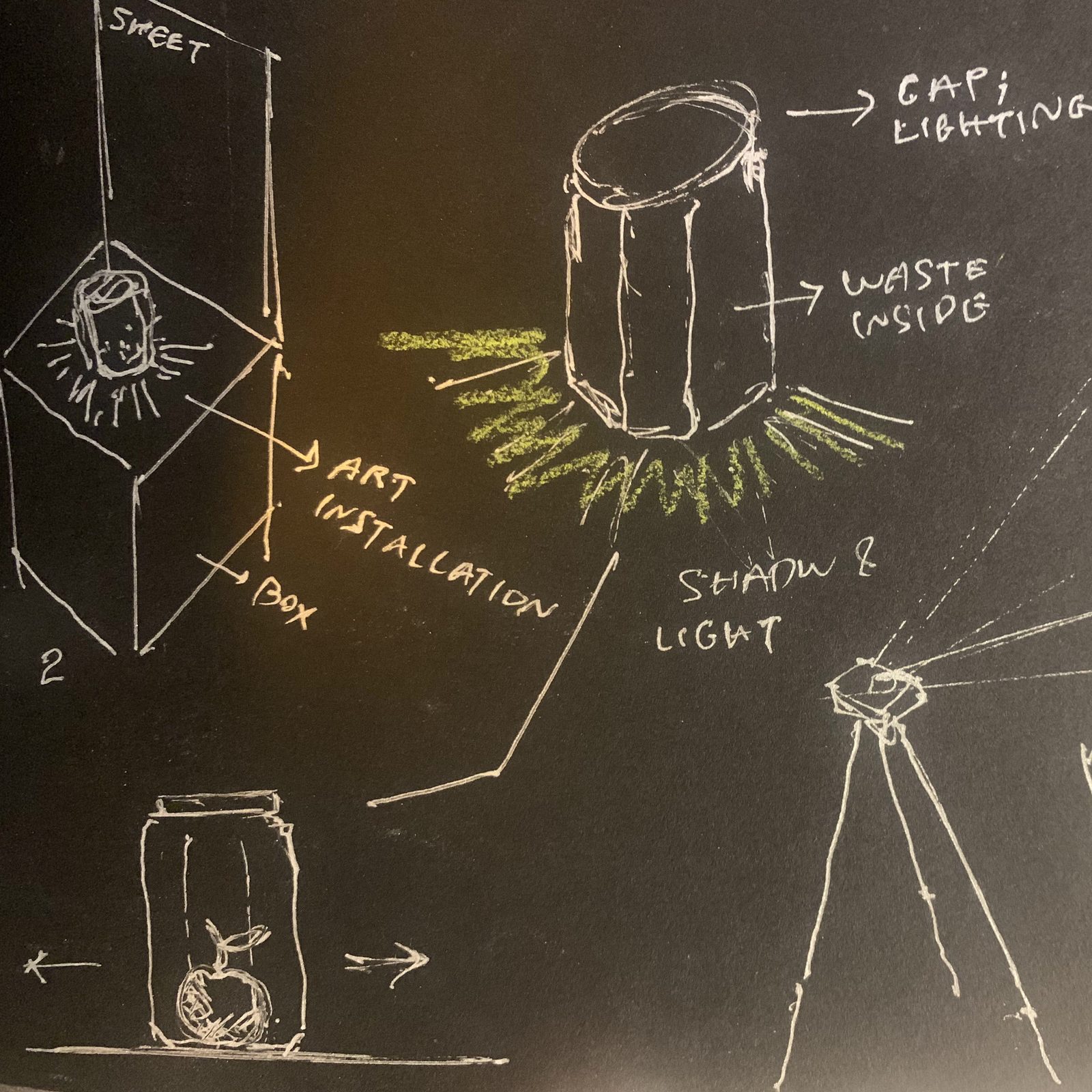
Equipment studies in chalk. An exhibition in four bays. A light-and-shadow installation built from a box.
Not products — the habit that makes products possible. If you can't draw it, you don't understand it yet.
02Listings & Catalog
Five platforms, one catalog, one written standard.
Parent/child variation families across Amazon, eBay, Etsy, Shopify and WooCommerce — built with category flat files, eBay File Exchange and Etsy bulk edit files. Manual entry is how five platforms drift apart.
The part worth keeping is the process: SKU conventions, required-field checklists, character-limit rules, draft-before-publish review. It means the work can be handed to someone else and checked against a standard instead of my memory. Live listings get audited on a schedule for price, stock, media and suppression.
- Amazon flat files
- Inventory loader templates
- eBay File Exchange
- Etsy variation sets
- Parent/child families
- Item specifics
- Catalog / EPID matching
- Bulk upload & edit
- A+ Content
- Image standards
- Suppression audits
03SEO & Content
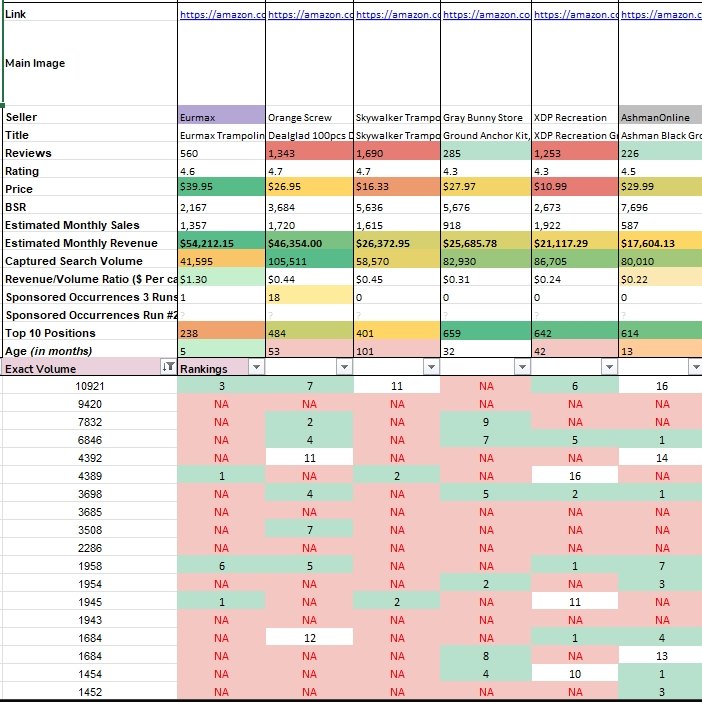
Where the head term is too expensive and the long tail converts.
Titles, bullets, backend search terms, Etsy tags and descriptions written from research rather than instinct — Helium 10 Cerebro and Magnet, Terapeak, Search Console.
The call is always the same: a high-volume head term you'll lose, or a long-tail phrase where competition is thin and the buyer already knows what they want. The second usually wins on margin, and it's how a small catalog survives next to a big one.
- Head-term & long-tail research
- Title / bullet architecture
- Backend search terms
- Etsy 13-tag SEO
- Helium 10
- Terapeak
- Search Console
- Yoast / Rank Math
- Schema markup
04Advertising & Growth
Buying attention against a competitor with a 7,000-review head start.
Sponsored Products and Brands with placement bid modifiers and dayparting. Converting search terms get harvested into exact match; the rest get pruned with negatives against defined ACoS and TACoS targets. Off-marketplace: Meta custom audiences and 1–3% lookalikes with separate retargeting tiers, Google Shopping through Merchant Center, TikTok.
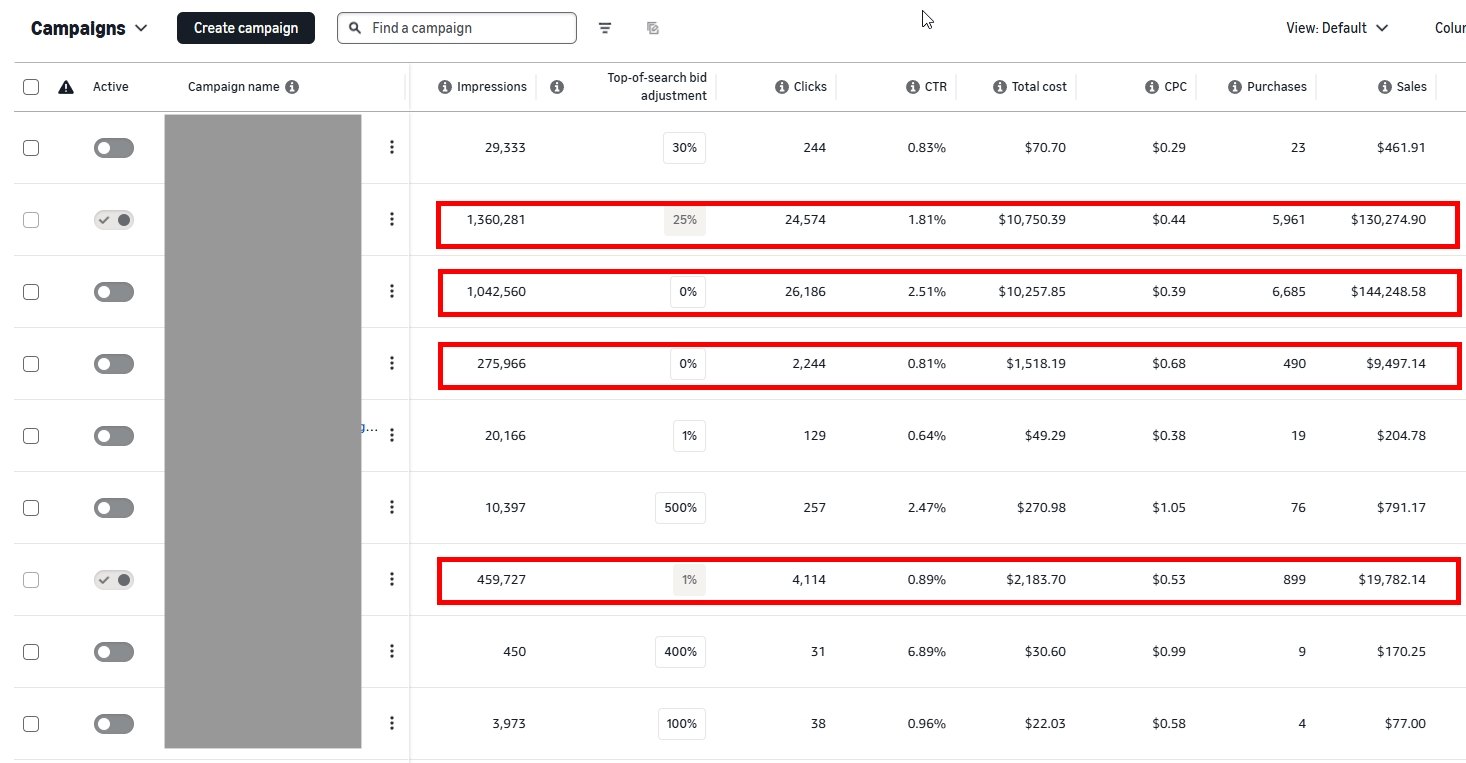
I've put north of $50,000 through these platforms — sponsored campaigns, lookalike audiences and targeted prospecting — which is enough spend to have been wrong expensively and to know which levers actually move.
- ~$25kspend
- $300k+sales
- ~8%ACoS
- $0.29–0.68CPC range
Launches run on coupons, price laddering and community seeding for early review velocity. The competitor listing carries roughly 7,000 reviews — which is the real shape of the problem, and why none of this is one clever trick.
Before any of it comes the budget question. A launch pays for three things up front: stock to sell through the climb, the units it takes to earn the first reviews, and the ad spend to reach a rank that sells on its own. Underfund any one of them and the launch stalls halfway, with the money already spent.
Free tool · Launch & growth What a launch really costs Put in price, margin, profit goal and review target. Get the budget, what's driving it, and how long it takes to earn back. Open the calculator →- Sponsored Products / Brands
- Placement modifiers
- Dayparting
- Search-term harvesting
- Negative keywords
- ACoS / TACoS
- Meta & Instagram
- Lookalikes
- Google Shopping / PMax
- TikTok
- Brand Registry & Vine
05Customer Experience
Every message, return and claim, inside the response window.
Buyer messages, custom-order inquiries, returns and exchanges across Amazon, eBay, Etsy and Shopify — each tracked to resolution before the clock runs out, because the clock is part of the metric.
Then the harder half: shipping exceptions, lost and damaged shipments, A-to-z claims, Etsy cases. All handled while protecting Order Defect Rate and Star Seller status, because account health quietly decides whether any of the rest works.
- Multi-channel messaging
- Returns & refunds
- A-to-z claims
- Item-not-as-described
- Etsy cases
- Order Defect Rate
- Star Seller
- FBA reimbursement claims
06Analytics & Reporting
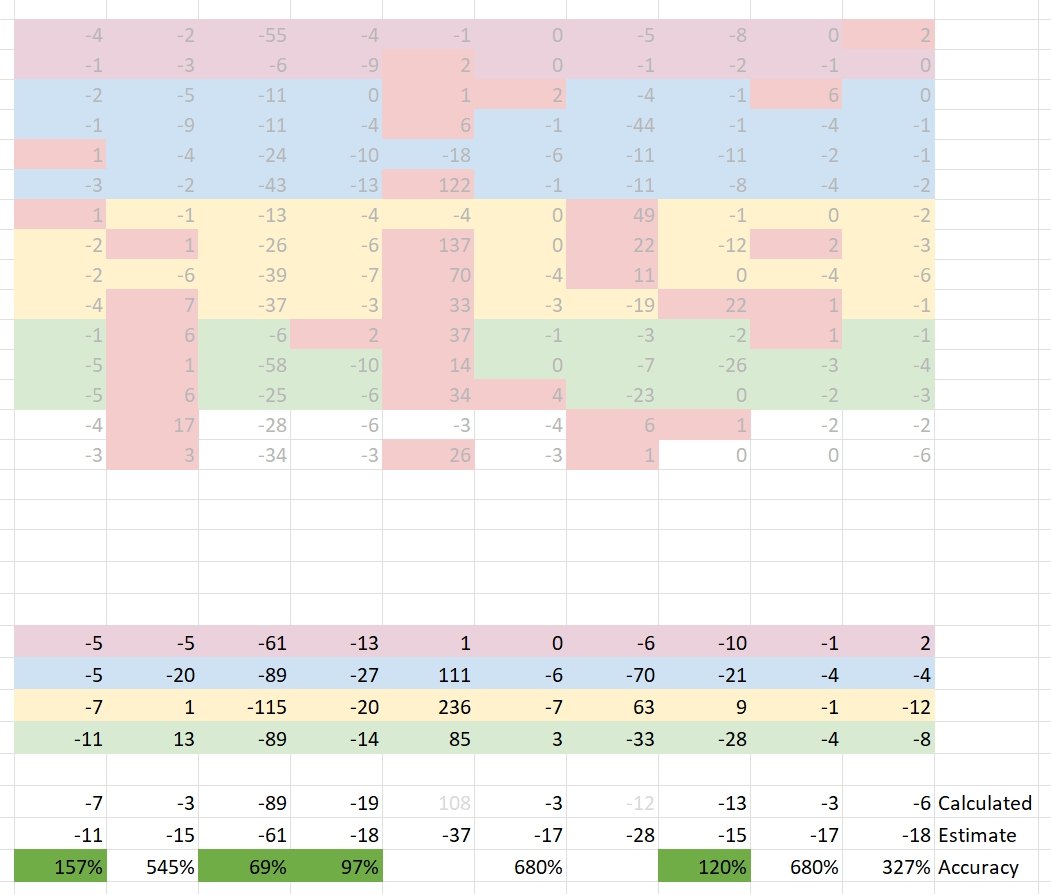
Reports that end in a decision, not a dashboard.
GA4, Brand Analytics Search Query Performance, Business Reports, Etsy Stats — reported monthly as revenue, ad spend, fees and net margin by SKU, the only number that settles arguments.
Margin tells you whether a product is worth selling. It doesn't tell you how fast it can grow. That comes down to two numbers most reports leave out: the return on every dollar sitting in stock, and how long that dollar is gone — factory, freight and sell-through, often 100 days or more. A cheaper unit on a slow boat can grow slower than a pricier one that lands in two weeks. Reinvest the profit and that gap compounds every cycle.
Free tool · Cash flow & ROI How fast your stock money can grow ROI per unit, cash tied up in stock, and monthly profit a year out — with a second version to compare, like air freight against ocean. Open the calculator →Planning a new product rather than growing one? The launch budget calculator works out what it takes to get there.
- Python (pandas)
- SQL
- GitHub Actions
- Zyte API
- Apps Script
- GA4
- Brand Analytics SQP
- Business Reports
- Looker Studio
- Power Query
- Keepa
07Inventory & Pricing
Design is the short part. This is where the money sits.
Order light and you go out of stock exactly when the listing was working — and the ranking doesn't come back just because the stock did. Order heavy and your cash sits in a box for eight months.
So: demand forecasting off sell-through and supplier lead times, reorder points and safety stock, FBA restock limits and IPI, landed cost modeled with duty and tariff exposure (HTS, Section 232/301) to set a price floor worth defending — then repricing to hold Buy Box without giving the margin away.
It's the boring stuff that pays
Most of what I've redesigned over the last five years wasn't redesigned to look better. It was redesigned to fall into a cheaper fee tier.
Amazon's small-standard tier cuts off at 0.75 in on the shortest side. The tin is 0.59 in. That isn't a coincidence — it came out of the packaging drawings in section 01, and it comes off every unit shipped, for as long as the product exists.
- 0.75″tier cutoff
- 0.59″the tin
- ~13%off the fulfillment fee, every unit
- Demand forecasting
- Reorder points
- Safety stock
- Lead-time planning
- Sell-through & turn
- FBA restock / IPI
- Landed cost
- HTS classification
- Section 232/301
- Repricing
- Buy Box
- 3PL & freight forwarders
Now
Or email fred@fredmemar.com